
The complete guide
The Practical Guide to Choosing a Tent Footprint
The problem nobody warns you about
You buy a tent. You pitch it somewhere lovely. Then a month later you notice the floor has gone shiny in patches, there are tiny pinholes near the corners, and something damp is seeping through where you sleep.
That is wear. Tent floors are thin on purpose, because weight matters and the floor is not the part doing the waterproofing work of the fly. Every time you pitch on gravel, every time you kneel to peg out a corner, every time you drag the packed tent across a car park, that floor takes a hit. The ground is rarely as soft as it looks. Dry grass hides pebbles, and a clean-looking site is often full of broken twigs just under the surface.
A tent footprint fixes this by being the layer that gets damaged instead. It is cheap, it is replaceable, and it is cut from fabric chosen for toughness rather than lightness. That is the whole idea behind the best tent footprint options on the market, and it is why experienced campers rarely pitch without one.
How a ground sheet tarp actually works
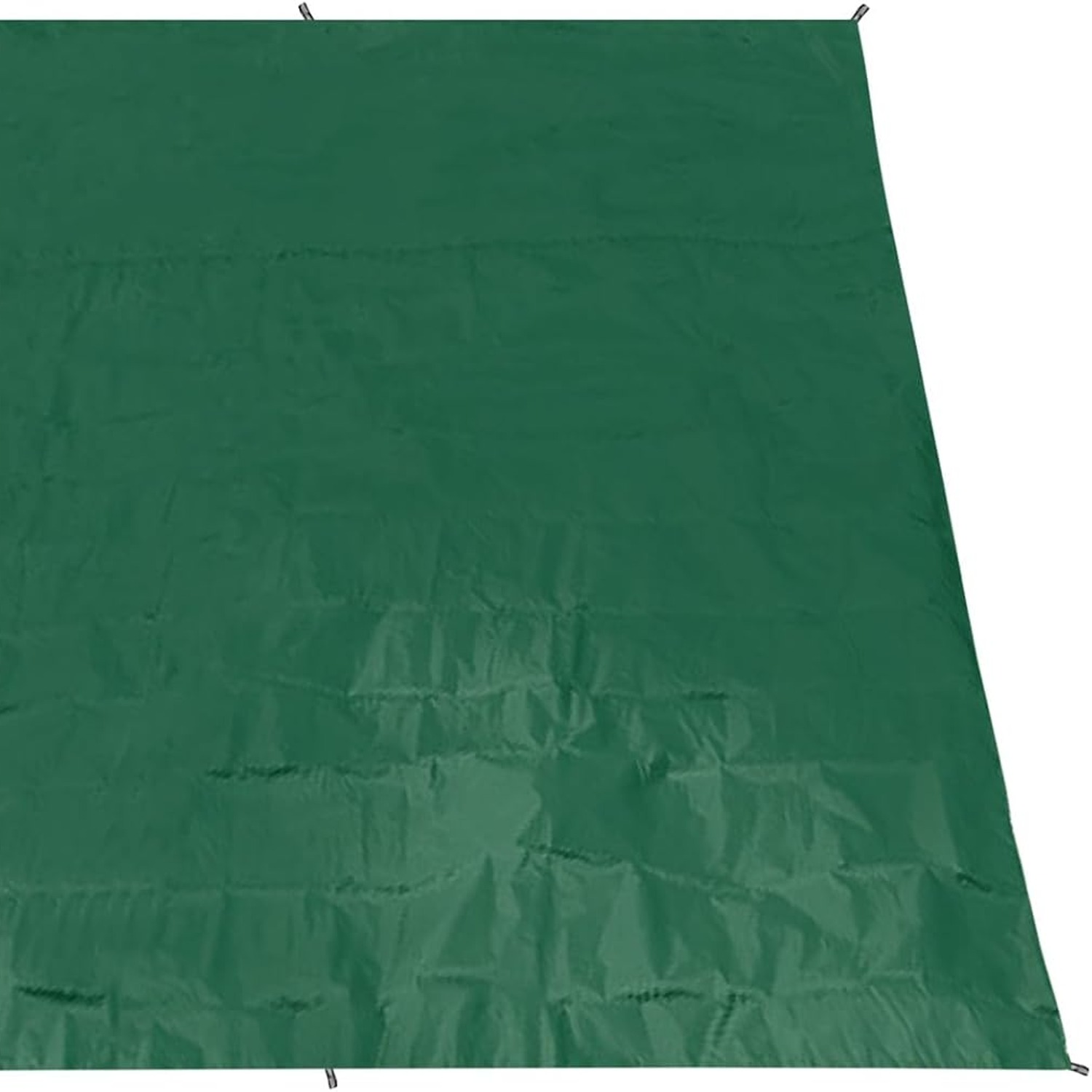
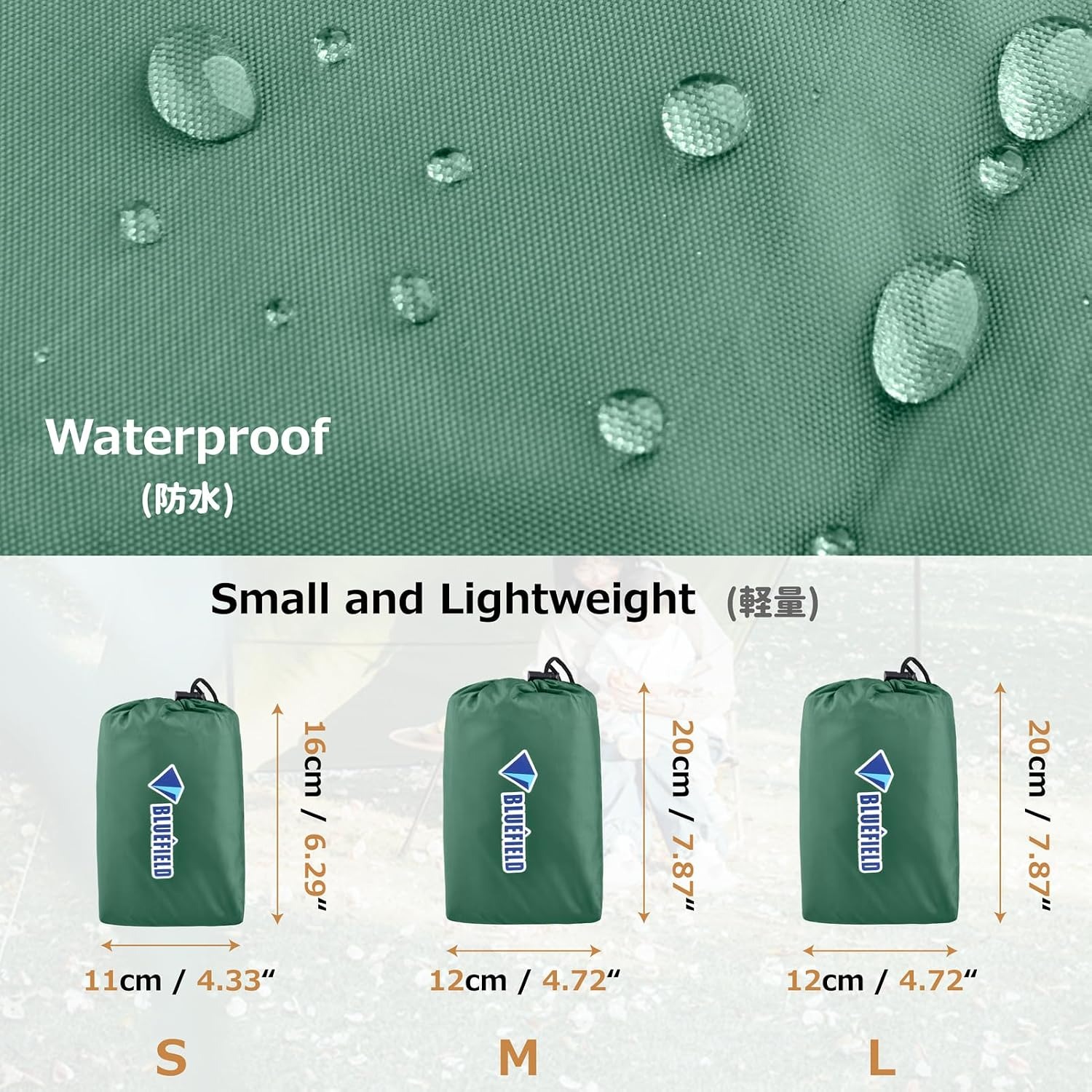
There are two jobs going on here. The first is abrasion. A woven Oxford cloth has a tight, slightly ribbed weave that slides over rough ground rather than catching on it. When you shuffle around inside the tent, the footprint absorbs that friction. The second job is moisture. Ground water does not just sit there politely. It wicks upward through soil, and with enough pressure from a body weight above, it can push through a tent floor's coating. A waterproof treated layer underneath interrupts that path.
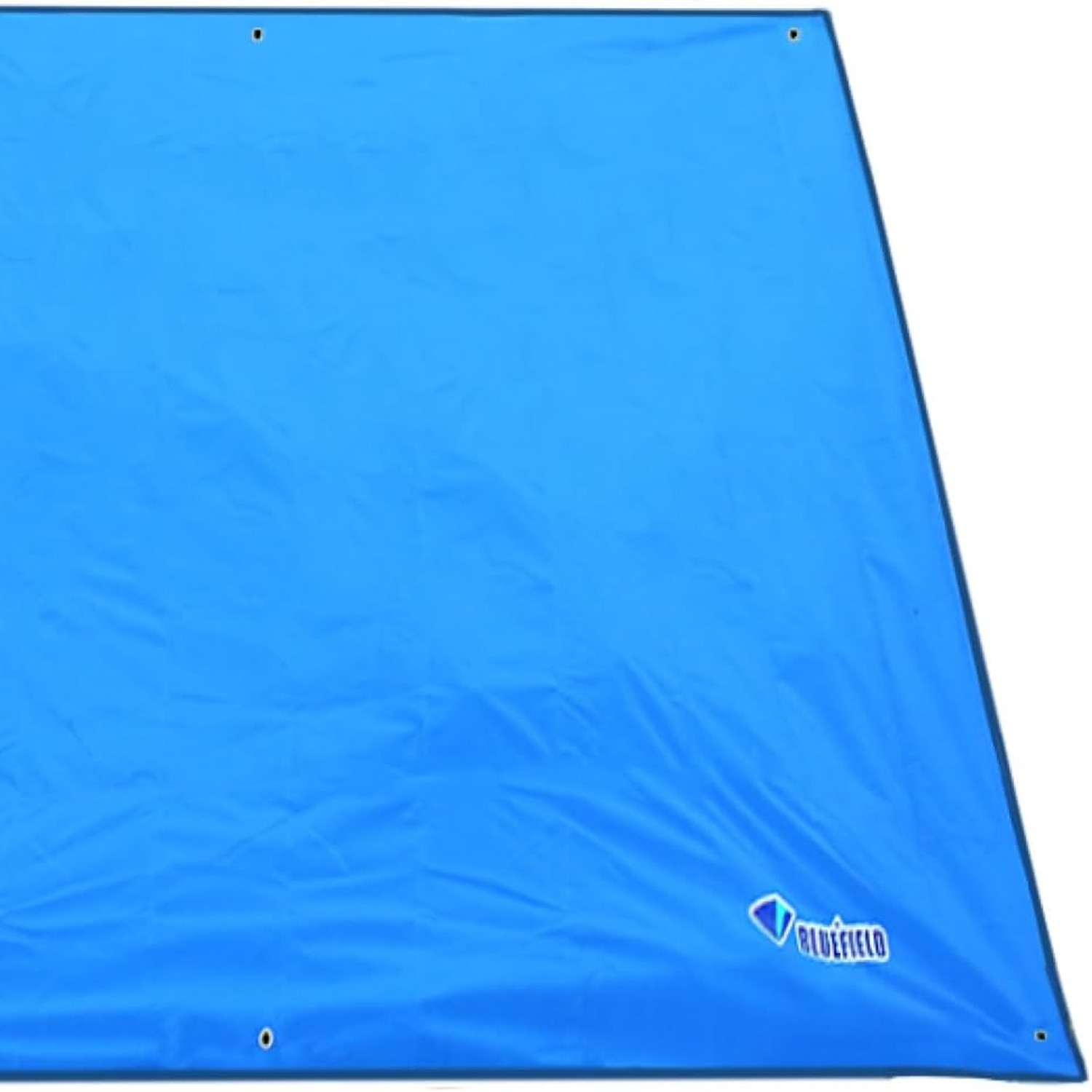
This particular ground sheet tarp is 420D Oxford with a waterproof treatment. The D stands for denier, a measure of yarn thickness, and 420D sits in the sweet spot for camping gear. Heavy enough to shrug off grit, light enough that the whole thing weighs 367 g. Compare that to builder's plastic, which is lighter but cracks in the cold and tears the moment a stick finds a weak spot.
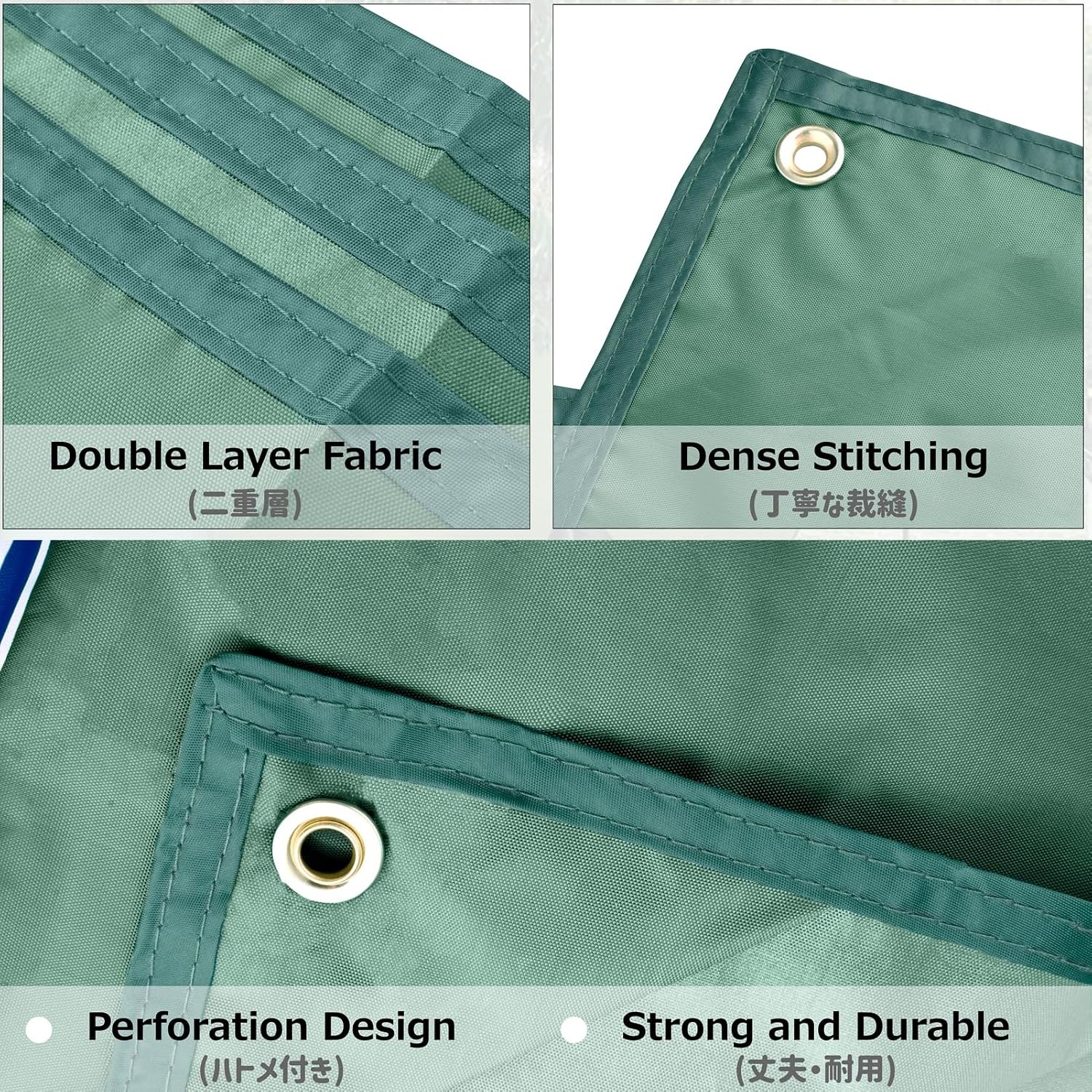
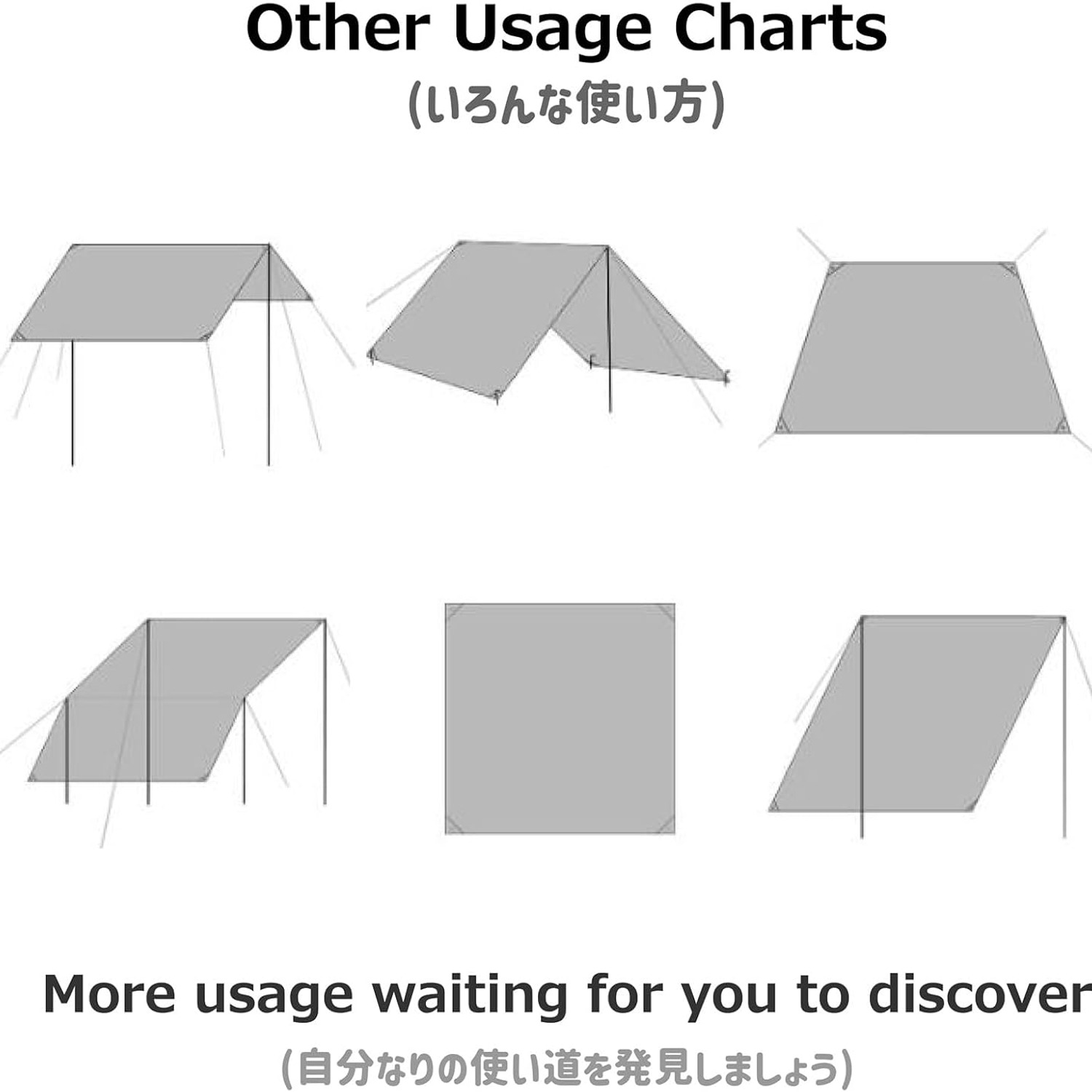
Around the edge are metal grommet eyelets. These matter more than people expect. They turn a flat sheet into a riggable piece of kit. Peg it down so wind does not flip it. Thread cord through it and hang it between two trees. That flexibility is what separates a good waterproof camping tarp from a plain plastic sheet.
Getting the size right
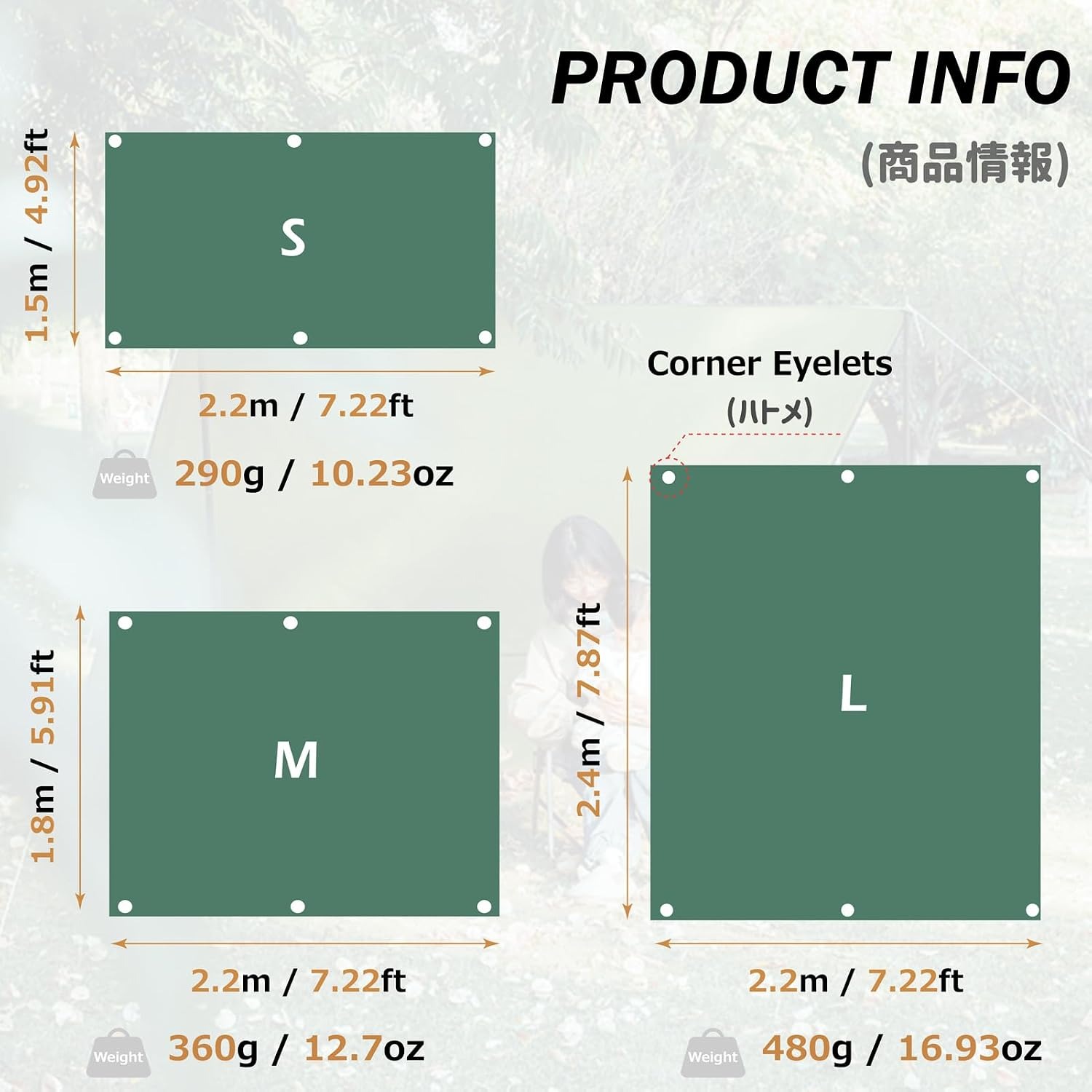
This is the medium, 1.8 x 2.2 m. Before you order anything, go and measure your tent floor. Manufacturer listings often quote the outer dimensions of the fly rather than the floor, so measure the actual floor panel corner to corner.
Here is the rule that trips up most first timers. Your footprint should be the same size as your tent floor or slightly smaller. Never larger, or at least never left larger. If an edge of the footprint sticks out past the edge of the fly, rain running off the fly lands on that exposed lip and runs straight underneath your tent. You end up with a puddle under the floor, which is exactly what you were trying to avoid.
If this medium size is a little bigger than your tent, do not panic. Fold the spare edges under before you pitch. It takes thirty seconds and solves the problem completely. Plenty of people deliberately buy slightly large and fold, because it gives them the option of using the tarp at full size for other jobs.
A quick note on shape. Most footprints are simple rectangles, including this one. Modern tents are often tapered or hexagonal. A rectangle under a tapered tent leaves corners poking out, so folding becomes part of your pitching routine rather than an occasional fix.
Who this suits
Car campers get the most obvious benefit. Weight is not a concern, the extra 367 g is nothing, and campsites with established pitches tend to be hard packed and stony. A tent floor protector pays for itself in one season.
Hikers and backpackers have to think a bit harder, but 367 g is reasonable for the protection you get. If you are counting every gram for a long thru hike, you might go lighter. For weekend walks and multi day trips, most people find a backpacking footprint worth carrying.
Families and festival goers often use something like this away from the tent entirely. It becomes the mat outside the door where boots and packs live, or the clean patch of ground at a festival where everyone sits. A festival ground sheet gets more hours of use than the tent sometimes.
Beach and picnic users get a tarp that shakes clean and dries fast. Sand does not cling to woven Oxford the way it clings to towels, and a quick rinse handles salt water.
Using it well
Pitch on the clearest ground you can find. Kick away the obvious sticks and stones first, because a footprint buys you forgiveness, not immunity. A sharp rock under enough weight will still find its way through eventually.
Lay the tarp out, align it with where your tent will sit, then fold any overhang under. Pitch the tent on top. If it is windy, put a stake through a couple of the grommets before you start so the whole thing is not flapping across the campsite while you thread poles.
When you use it overhead as a sun shade tarp, think about angles. A flat tarp collects water in the middle and sags until it dumps. Always pitch one side lower than the other so rain runs off. Tie guylines through the grommets with a simple knot you can undo wet and cold, like a taut line hitch.
Looking after it
The single biggest thing you can do is dry it properly. Packing a wet tarp into its pouch is how mildew gets started, and once it takes hold the smell is stubborn. If you break camp in the rain, unpack the tarp at home and hang it over a rail or a fence until it is completely dry.
For cleaning, shake off the loose stuff first. Most of a camping trip's dirt comes off that way. For the rest, cool water, a soft sponge and a mild soap will do it. Rinse and hang. Stay away from bleach, strong solvents, washing machines and hot dryers. All of those attack the waterproof treatment, and a stripped finish is the main reason people think a tarp has failed when it has just been washed badly.
If you tear it, repair tape made for outdoor fabric works well on Oxford cloth. Clean and dry the spot, apply a patch on both sides if you can reach, and press it down firmly. A repaired footprint is still a perfectly good footprint.
Store it loosely folded in the pouch, somewhere cool and dry. A hot car boot over a long summer is hard on coated fabrics.
What to look for when comparing
If you are weighing up this tarp against others, a few things actually matter. Fabric denier tells you roughly how tough it is, and 420D is solid for camping. Check whether the waterproof claim refers to a coating or just a water resistant weave. Count the grommets and check whether they are metal, because plastic eyelets tear out under load. Look at packed weight honestly against how you travel. And check the packed form, since an included pouch sounds minor until you are trying to stuff a loose sheet into a full pack.
What you should not pay extra for is branding tied to one tent model. A generic rectangle in the right size does the same job, often for less.
The short version
A tent footprint is one of the cheapest ways to make a tent last longer. This one is 1.8 x 2.2 m of 420D Oxford cloth with a waterproof treatment, metal grommets around the edge, a packed weight of 367 g, and a storage pouch included. Measure your tent floor, fold under any overhang, keep the edges tucked inside the drip line of the fly, and dry it fully before it goes away.
Do that and it will quietly do its job for years, under tents, under picnics, and over the cooking area when the weather turns.