

The complete guide
How to Choose a Camp Fry Pan Set That You Will Still Use in Ten Years
The problem with camp cooking gear
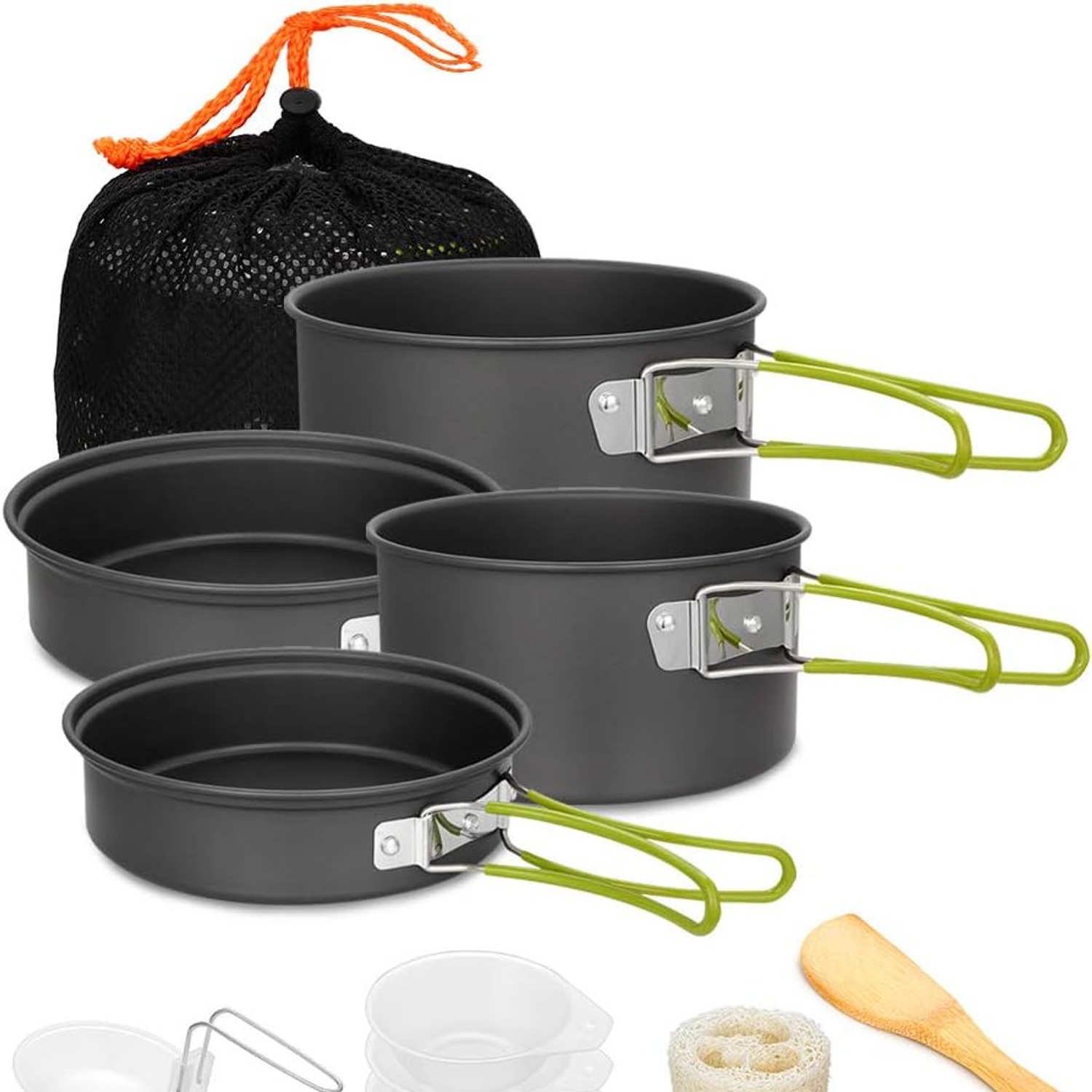
Most people buy camp cookware twice. The first set is cheap, comes in a mesh bag, and looks great in the shop. Then you use it. The pan warps on the first hot burner, the handle gets loose, the thin metal scorches food in the middle while the edges stay cold, and by the third trip the whole lot is rattling around in the boot with one piece missing.
The second set is the one you keep. It is usually heavier, usually stainless, and usually costs more up front. It also stops being a decision you have to think about, because it just lives in the car and works.
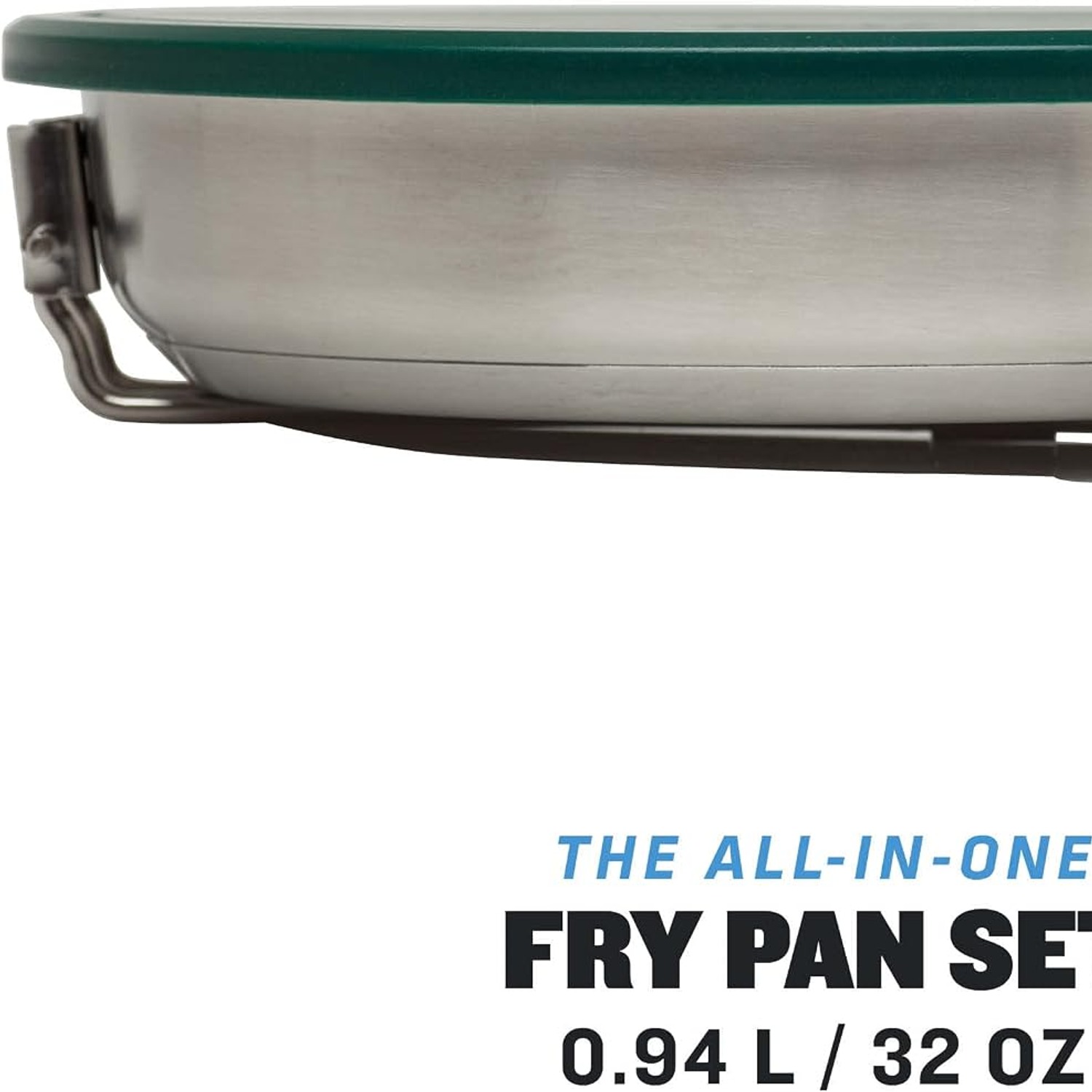
A camp fry pan set sits at the practical end of that second category. Rather than a tower of pots you will never all use, you get one good pan and the pieces that actually go with it, nested inside so nothing escapes.
Why a fry pan is the piece that matters most
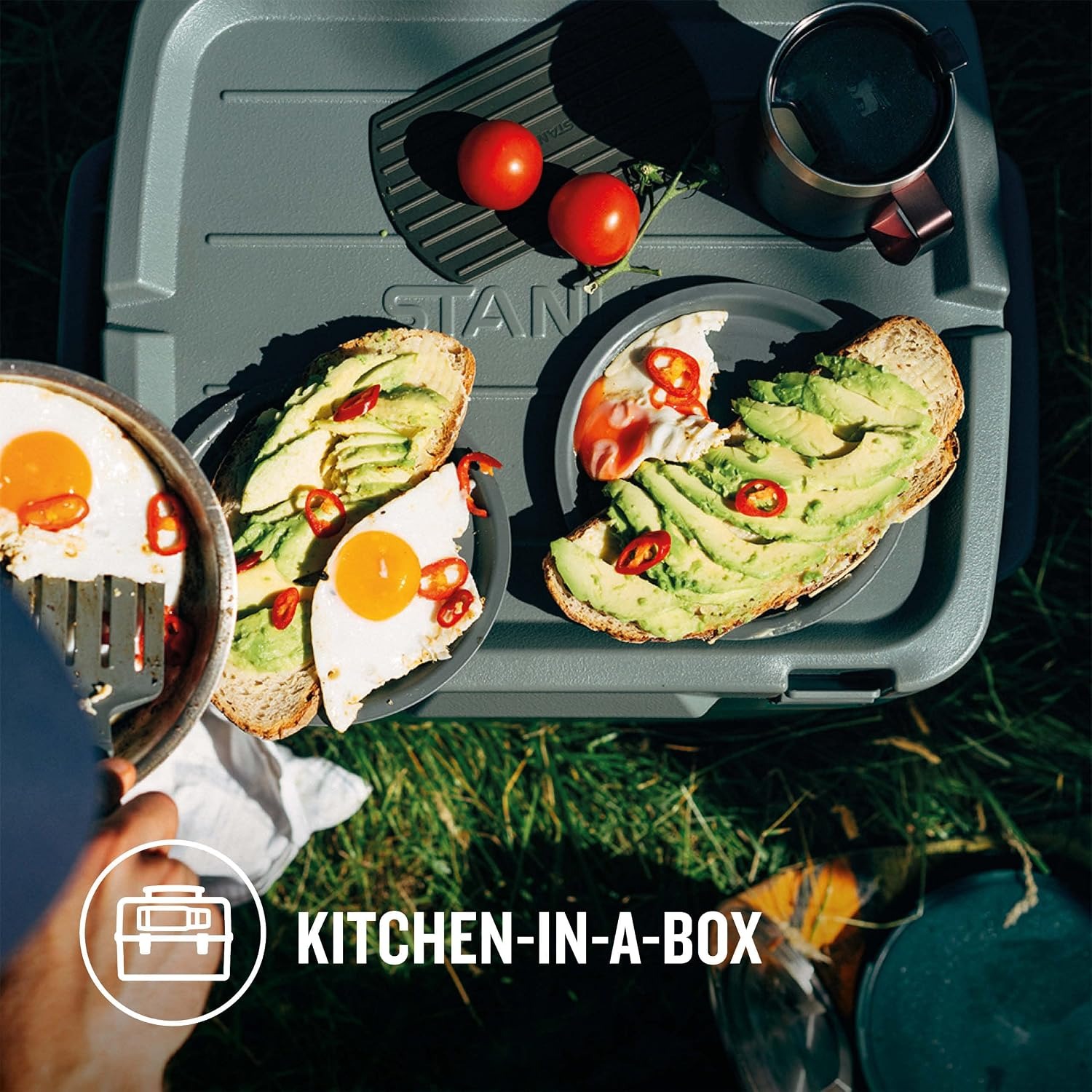
Think about what you actually cook outdoors. Eggs and bacon. Sausages. Onions and mince for a pasta sauce. A steak. Reheated leftovers. Fried rice from whatever is left in the esky on the last morning. Almost all of it is pan work.
A deep pot earns its place if you boil pasta for five people or make big batches of stew. For one or two people, the pan does nearly everything, and you can boil water in it at a pinch. That is why a pan-led set suits more trips than a full pot set does. It covers the common jobs and skips the gear you carry around out of guilt.
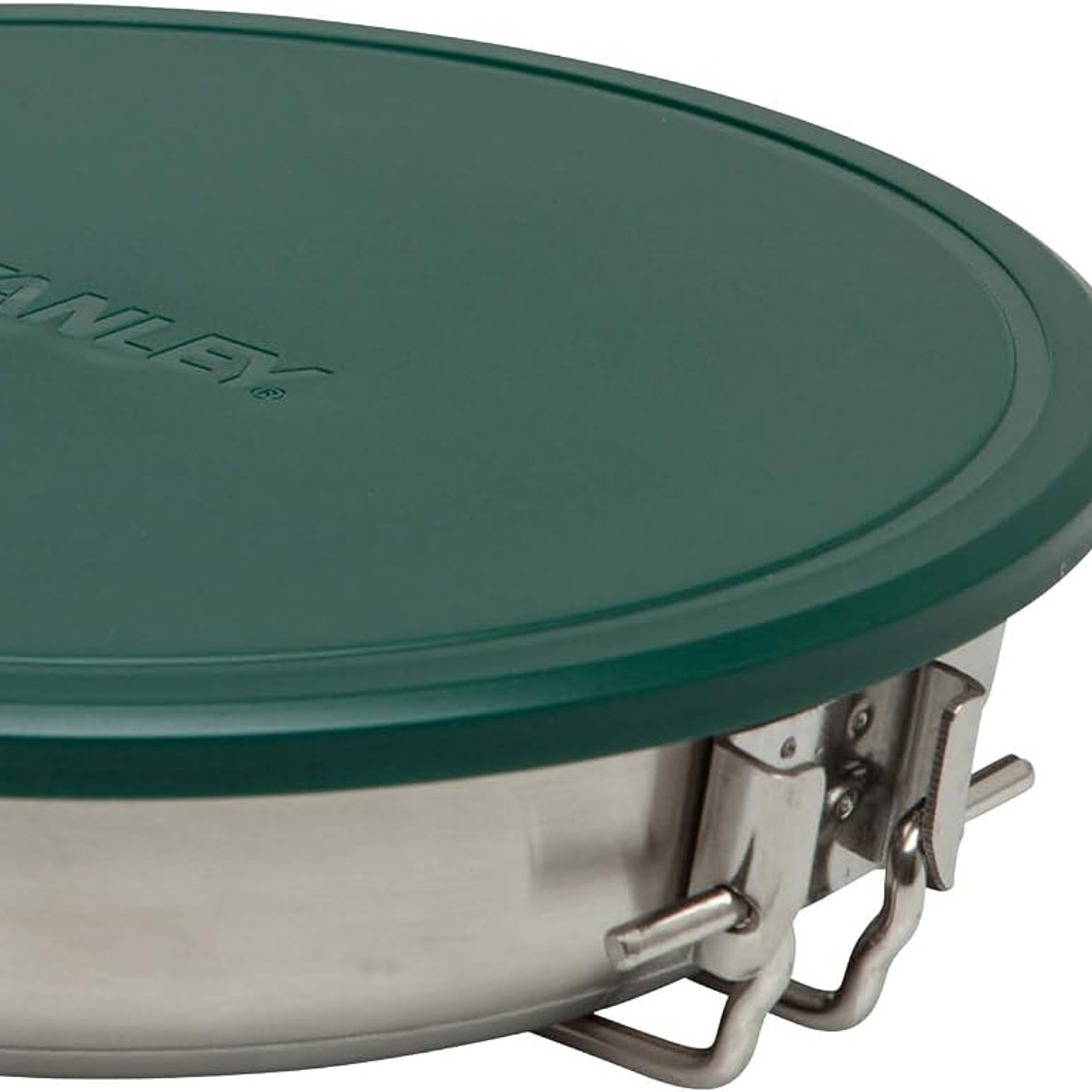
The lid matters more than people expect, too. It turns a fry pan into something closer to a small oven. You can steam vegetables, melt cheese over a burger, keep the first batch warm while the second one cooks, or stop a gust of wind robbing all your heat on an exposed site.
What 18/8 stainless steel actually gives you
The "18/8" number refers to chromium and nickel content in the steel. In practice, that means three things.
It resists rust. Camp gear lives a hard life, often packed slightly damp, and cheaper steel will show orange freckles within a season. Stainless of this grade shrugs that off, provided you dry it before storage.
It does not react with food. You can cook tomato sauce, lemon, vinegar or wine in it without any metallic taste coming through, and it will not hold the smell of last night's garlic into tomorrow's porridge.
It takes punishment. Stainless does not chip or flake the way coated pans do. Scratch it and you have a scratch, not a failure. That is exactly what you want in something that gets tossed into a gear tub with tent pegs and a camp axe.
The trade-off is that bare stainless is not non-stick. The fix is simple and it is the same one chefs use. Heat the pan first, then add your oil or butter, then add the food. Cold pan plus cold oil plus cold eggs is where sticking comes from. Give it thirty seconds to come up to temperature and the pan behaves itself.
The handle is the part that decides if you like it
People compare pan sets on capacity and material and almost never on the handle, which is odd, because the handle is what you hold.
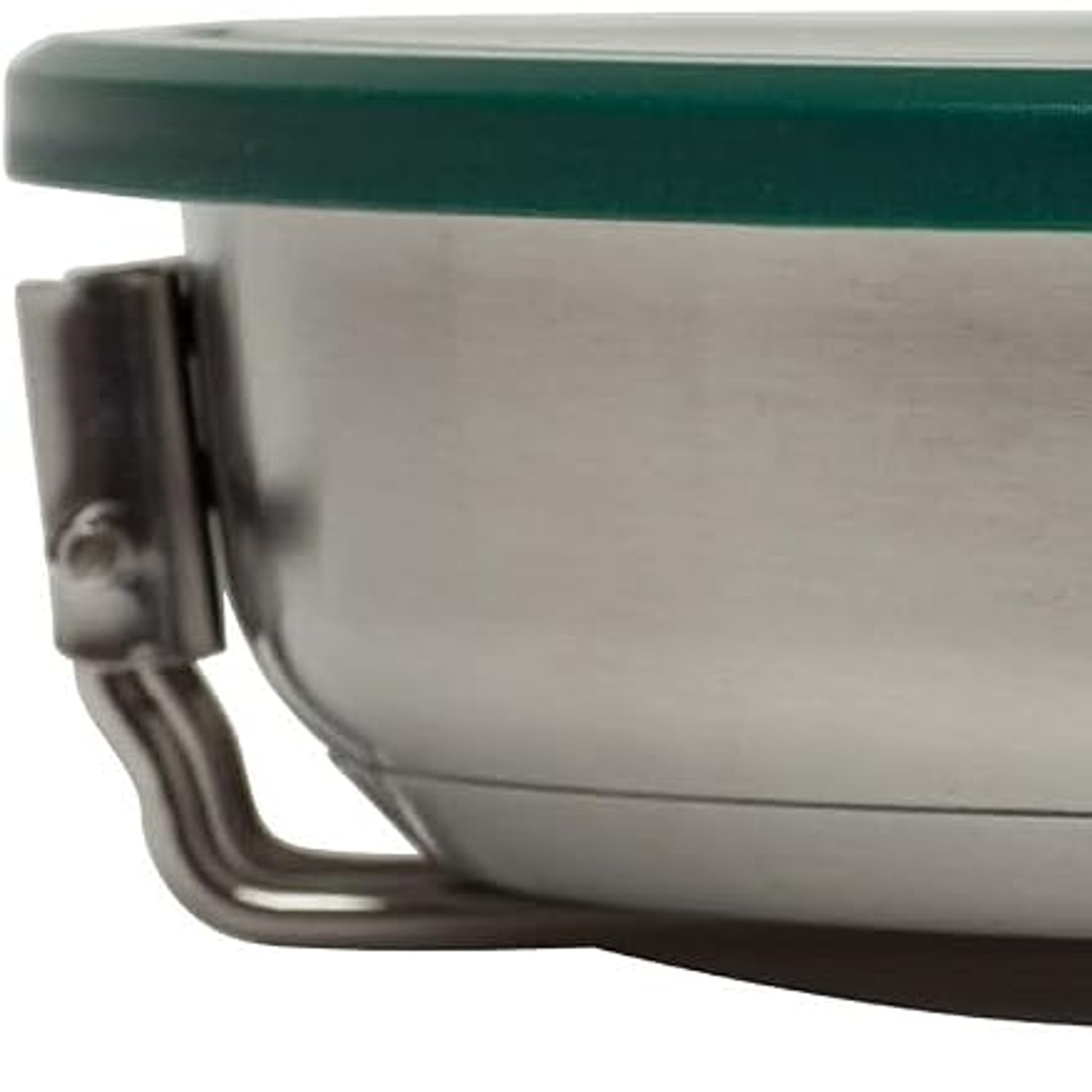
A locking handle that extends gives you a firm hold and control. You can lift a full pan off a burner one-handed and tilt it to slide food onto a plate without the whole thing flexing. A loose or wobbly handle means you cook timidly, which is how dinner ends up in the dirt.
Folding is the other half of it. A fixed handle sticks out, catches on everything, and forces you to pack the pan flat in a bag of its own. A handle that folds over the lid does two jobs at once. It shrinks the footprint, and it clamps the stack shut so the nested pieces stay nested. That is the difference between a set and a pile of loose items.
Who this suits, and who should look elsewhere
This is a strong choice if you camp from a car, a four wheel drive, a van, a camper trailer or a canoe. Anywhere that about a kilogram of cookware is not an issue, stainless pays you back in durability. It also suits people setting up a permanent camp box, a shed kit, a boat galley or an emergency kit, because stainless can sit in storage for years and come out fine.
It suits one or two cooks best. A couple, a solo traveller, a parent and child on a weekend trip. Cooking for four is possible if you do it in batches with the lid holding the first lot warm, but you will be happier with a second pan or a pot in the mix.
Look elsewhere if you are a gram-counting hiker. If you are carrying everything on your back for a week, a titanium mug-and-pot kit will be lighter. The best stainless steel camping cookware is not trying to win that fight, and pretending otherwise just leads to a disappointed buyer.
How to work out the right size for you
Start with how many you feed, not how many you might one day feed. Camp kitchens get cluttered fast, and the pan you take on ninety percent of trips should be sized for your normal group, not your biggest-ever group.
Then look at your stove. The pan base should sit comfortably within the burner supports with no overhang that makes it tippy. A wide pan on a narrow single-burner stove is a spill waiting to happen, especially on uneven ground.
Finally, look at where it has to live. Measure the space in your gear tub or drawer. A nesting set that packs to a single bundle will usually fit where a loose collection of pans will not, and that storage win is a big part of why the best compact camping cookware set beats a bigger kit in real life.
Looking after it
The care routine is short. Let the pan cool before washing so you do not shock the metal. Warm water, mild soap and a soft sponge handle almost everything. If something is properly baked on, fill the pan with water, bring it to a simmer for a few minutes, and it will lift.
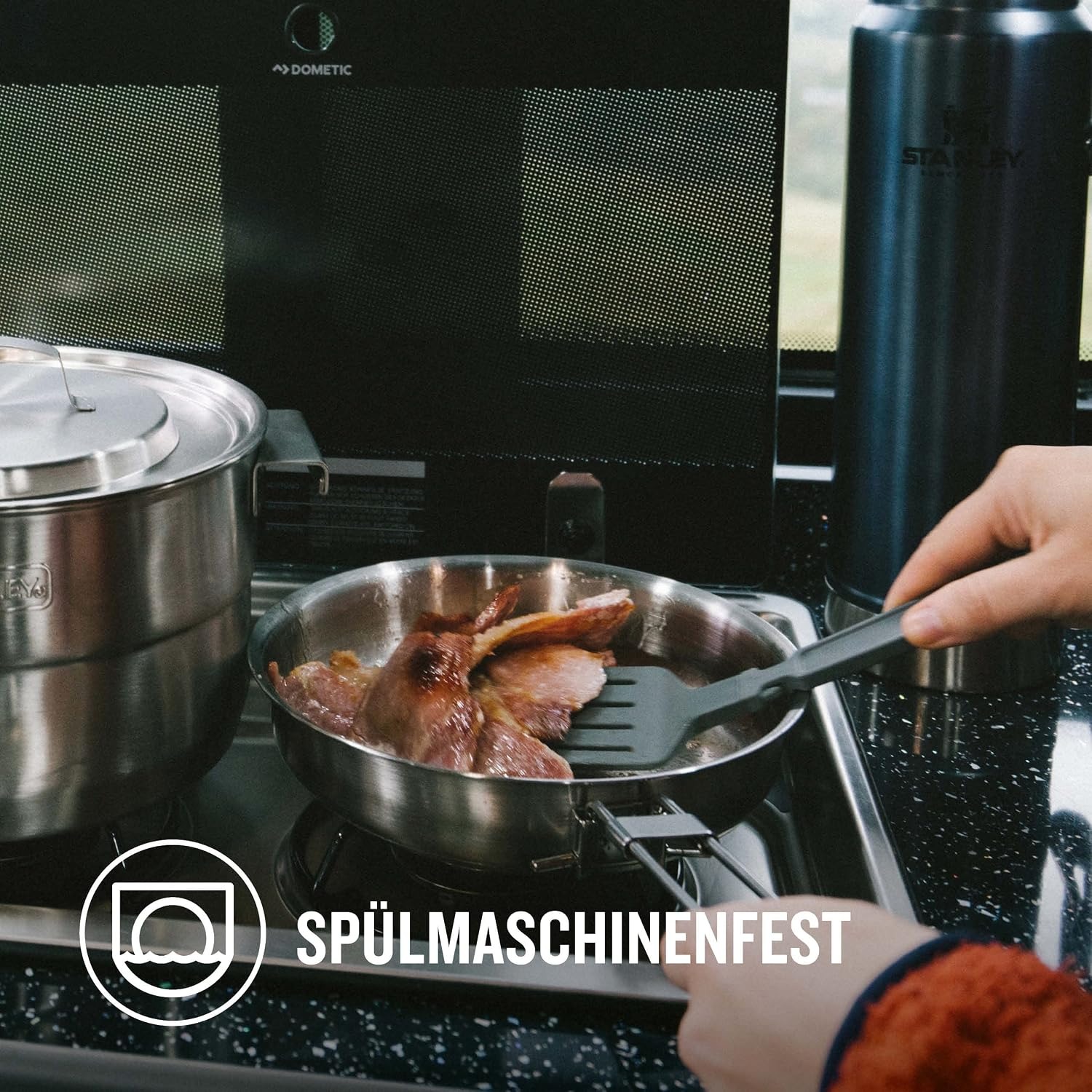
At home, the whole set can go in the dishwasher, top rack only. That keeps the pieces away from the hottest part of the cycle.
Dry everything properly before you nest it. Trapped moisture between stacked pieces is the one thing that can mark stainless over a long storage period. Then fold the handle down over the lid and the kit is ready for the next trip with no further thought.
Avoid steel wool and scouring powders. If the inside of the pan ever gets a dull film from hard water or heat, a little white vinegar and a soft cloth will usually bring the shine back.
Buying once instead of three times
There is a reason this kind of gear carries a lifetime warranty against manufacturing defects. Stainless cookware with a mechanical handle does not have much to go wrong in it. No coating to flake, no plastic to crack in the sun, no seals to perish.
If you divide the price across ten years of weekends, it is not a big number. The cheap sets look better on day one and worse every day after that. That is the whole argument.
The short version
A nine piece camp fry pan set gives you the one piece of cookware you will actually use, plus the pieces that go with it, in a bundle that packs down to nothing much. Stainless steel means it will not rust, will not react with your food and will not fail in a way that ends a trip.
Buy it if you camp from a vehicle and cook for one or two people. Pre-heat the pan before the oil goes in, dry it before you pack it, and let the dishwasher do the hard work when you get home. Do that and this is the last camp cook set you will need to think about.