
The complete guide
Choosing a Survival Tarp That Earns Its Place in Your Kit
The problem with being caught out
Most uncomfortable nights outdoors are not caused by cold air. They are caused by two things people underestimate: wet ground and radiant heat loss. You can be wearing good layers and still be miserable, because the ground is pulling warmth out of your back and the open sky above you is taking the rest.
A tarp fixes both, if it is the right tarp. A sheet of plastic keeps rain off but does nothing about heat. A foil emergency blanket reflects heat but tears, has no anchor points, and turns into litter after one use. What you want is one item that does both jobs and survives being used again.
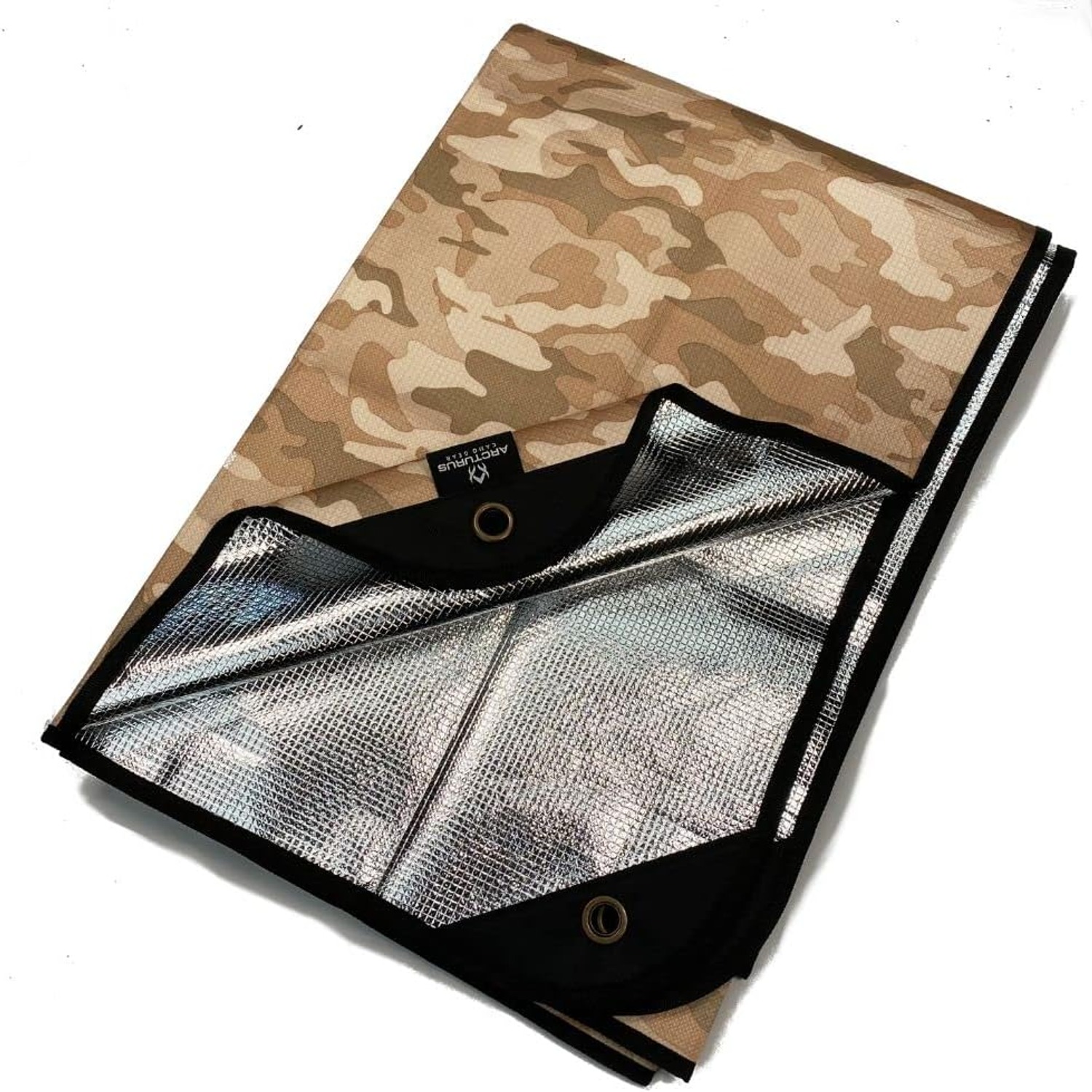
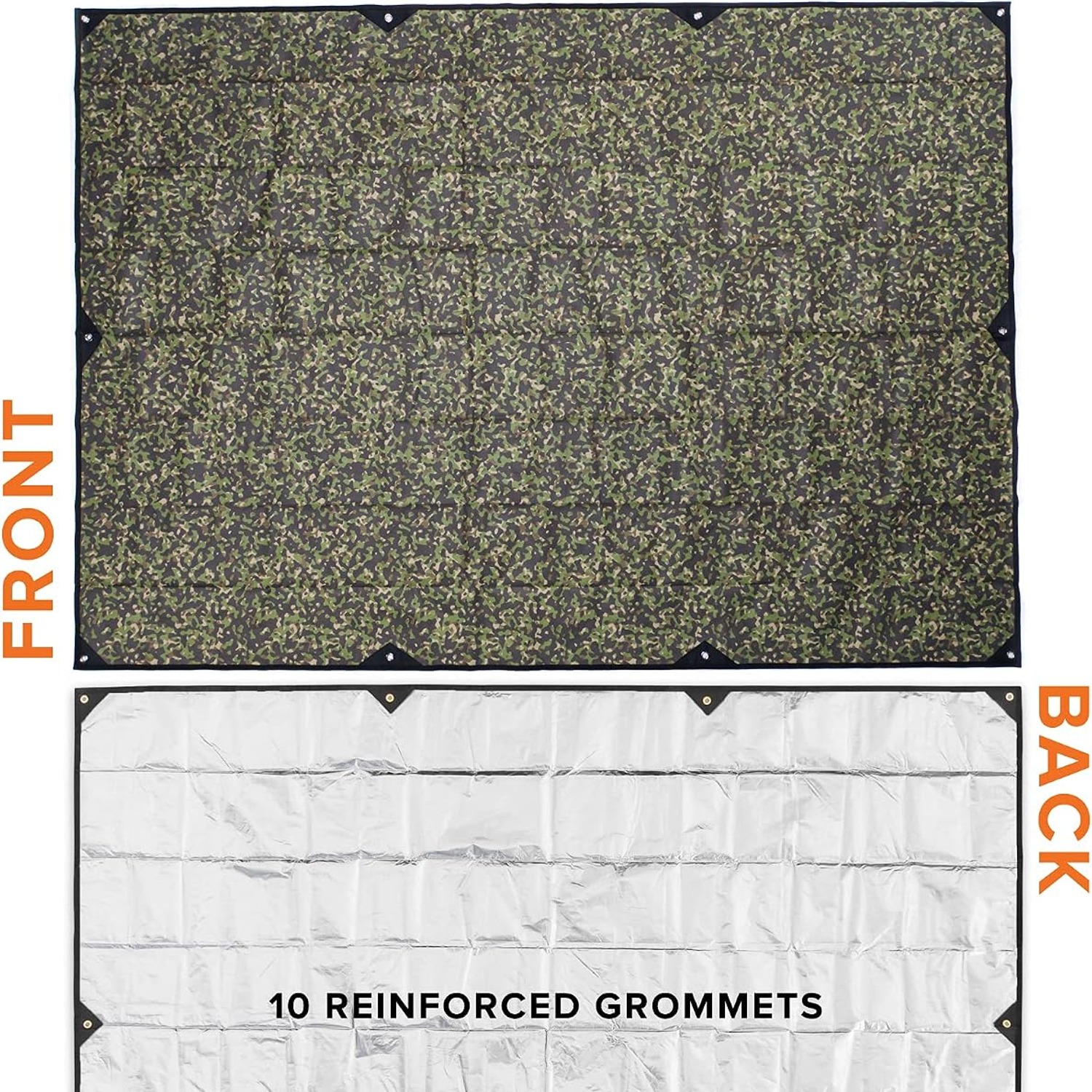
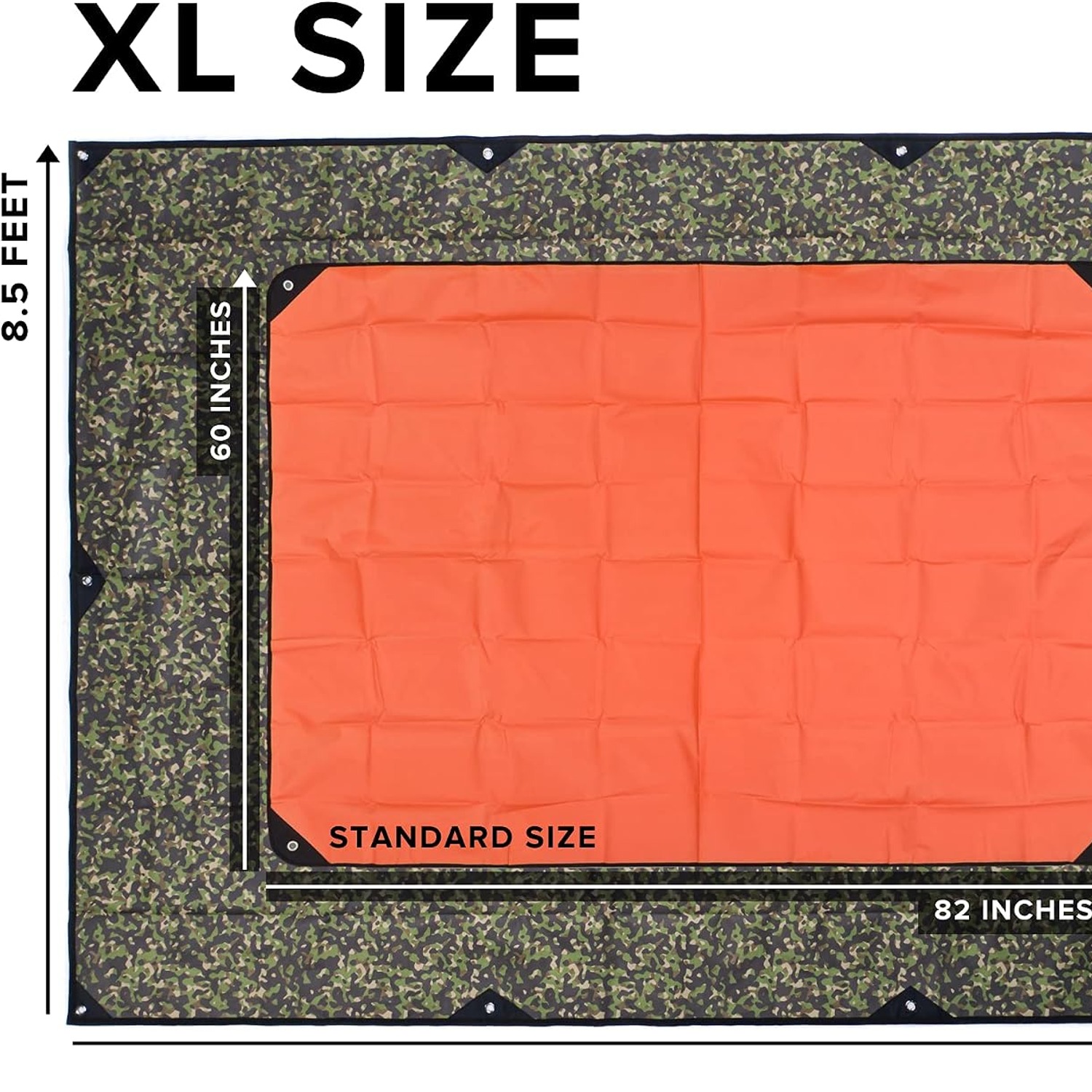
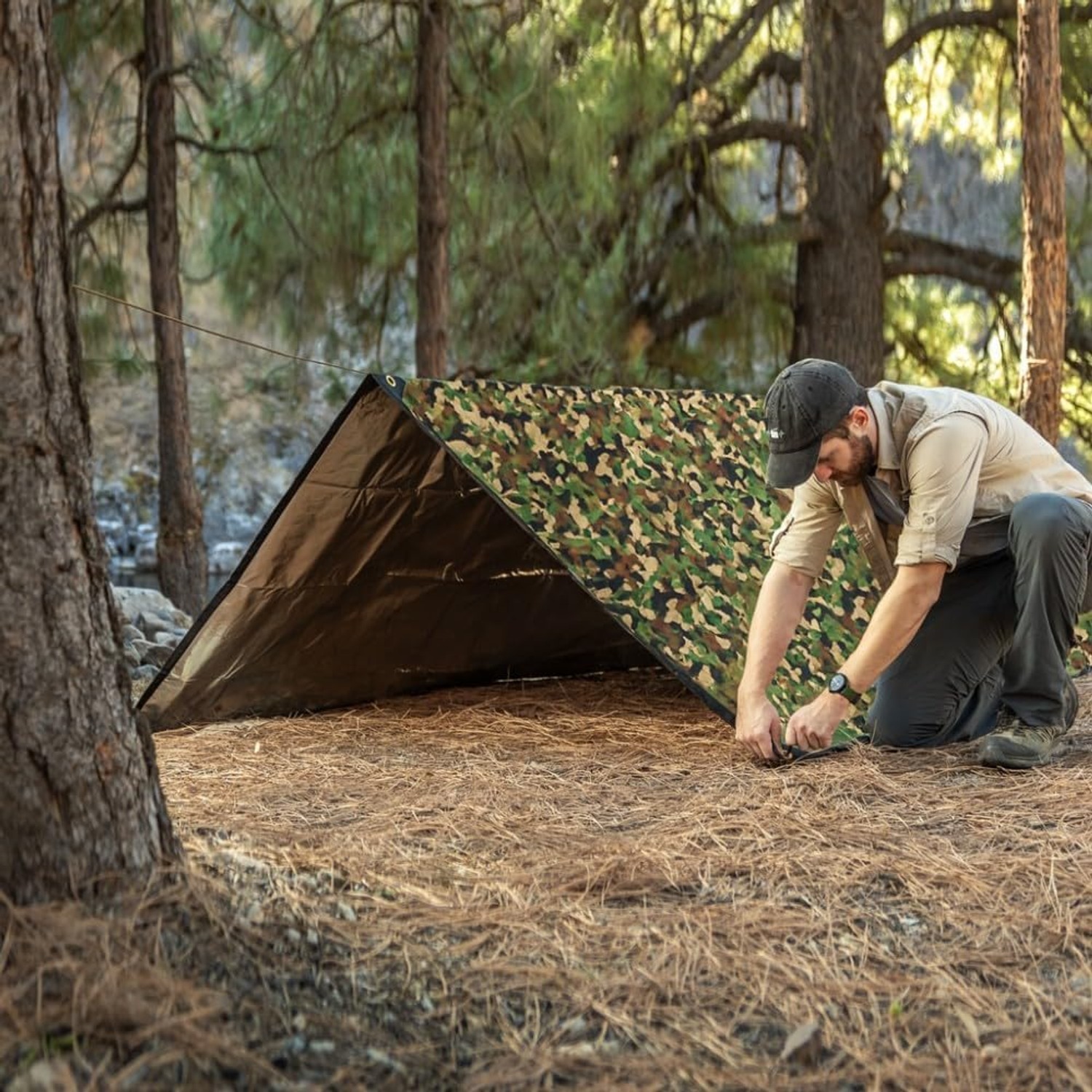
That is the gap this product fills. It is a 2.59 metre by 1.52 metre survival tarp with a reflective Mylar face on one side and two layers of waterproof polypropylene on the other, with ten reinforced tie-down grommets around the edge. It weighs 1.63 kg and packs into the bag it ships with.
How a reflective tarp actually works
There is a bit of confusion about what reflective materials do, so it helps to be plain about it. The Mylar face does not create heat. It reflects radiant heat, the kind that travels as infrared energy rather than through direct contact or moving air.
Your body is constantly giving off radiant heat. Under open sky, that energy heads upward and does not come back. Put a reflective surface between you and the sky, facing you, and a share of it bounces back toward your body. You feel this as the air under the tarp staying warmer than the air outside it.
Flip it around and the same physics works in your favour on a hot day. Face the reflective side at the sun and it bounces solar radiation away rather than soaking it up. That turns the tarp into a shade that is genuinely cooler underneath than a dark canvas sheet of the same size.
The polypropylene side has a different job. Two layers of it form the waterproof barrier. That is what you put against wet ground, or what faces the rain when the tarp is pitched overhead. Conduction, the heat you lose by direct contact with cold wet earth, is handled by keeping the damp away from you in the first place.
Used together, the two faces cover the main ways you lose warmth outdoors. That is why an all weather blanket of this type does more than either a plain tarp or a thin foil sheet on its own.
Who it suits
Campers are the obvious group. A heavy duty ground tarp under a tent extends the life of the tent floor and stops moisture creeping up. The same sheet becomes a dry sitting area outside the tent during the day.
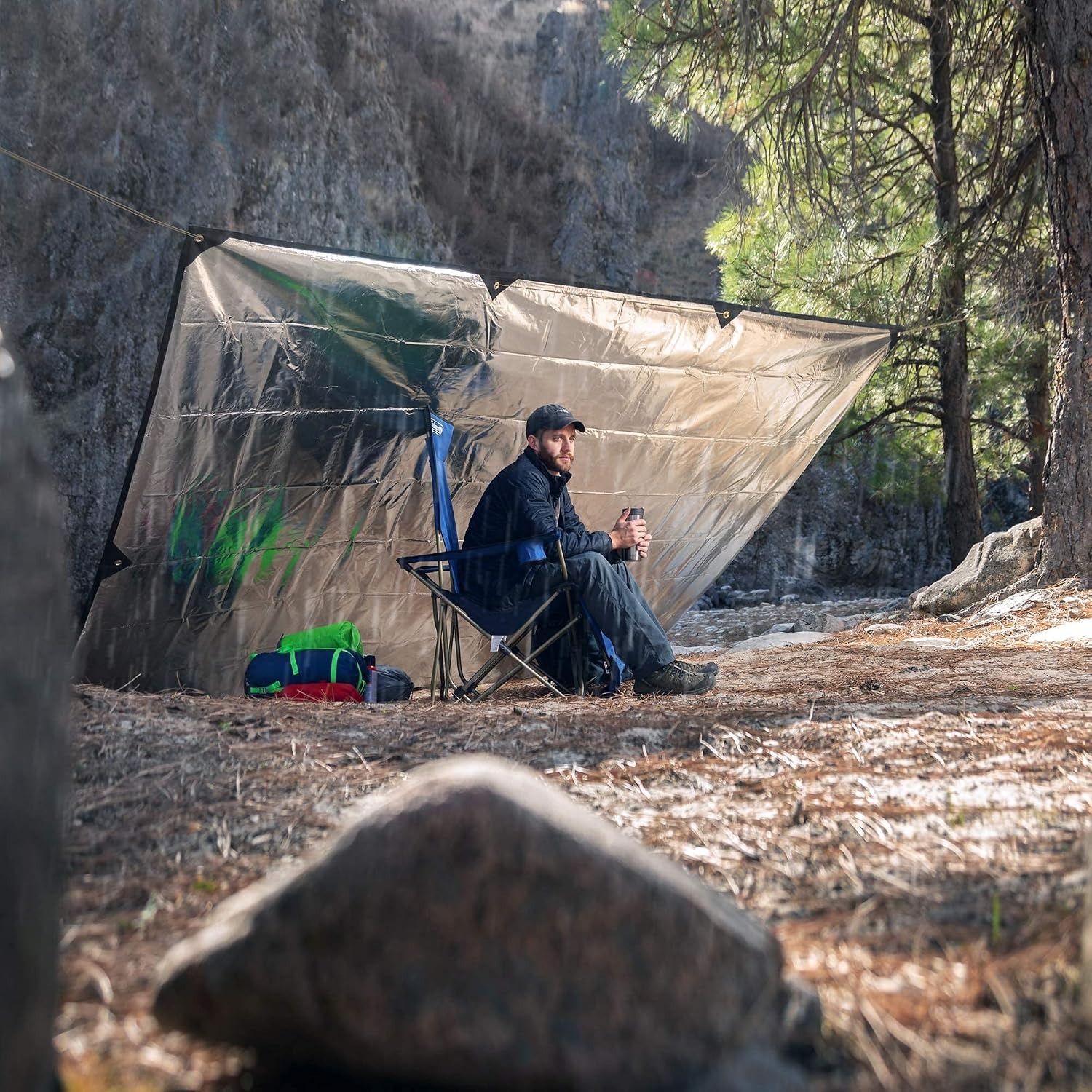
Hikers and backpackers use it as a minimal shelter. Strung between two trees with a ridge line, it becomes a lean-to or an A-frame in a few minutes. At 1.63 kg it is not the lightest option for ultralight walkers, but it is far tougher than the featherweight alternatives, and that trade is worth it for most people.
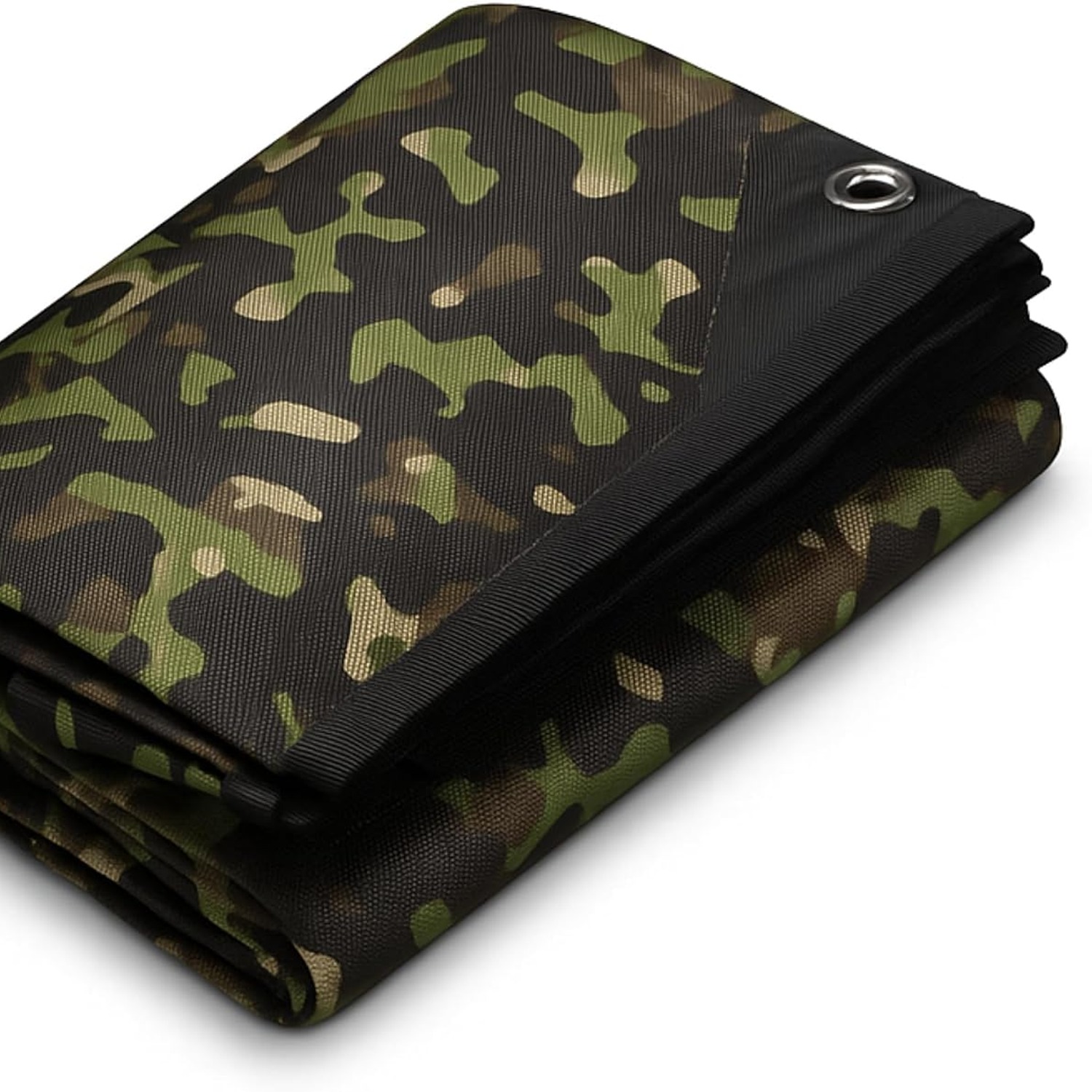
Hunters and wildlife watchers get use out of the Woodland Camo face. Pitched camo side out, it blends into scrub rather than flashing silver at everything within a kilometre. The waterproof side keeps you off wet leaf litter while you wait.
Boaters and paddlers keep one in a dry bag. Water is a brutal place to get cold, and having something waterproof and heat reflective aboard matters more there than almost anywhere.
Then there is the group who buy one and hope never to open it. An emergency shelter tarp in a car boot is sensible kit in any climate. Break down in winter and it is warmth. Break down in summer and it is shade. Change a tyre in the rain and it is a dry surface to kneel on.
And honestly, plenty of them end up at the beach, at sports grounds, and under picnics. That is fine. A survival item you use regularly is one you know how to handle when it matters.
How to choose the right setup
Start with how many people you are covering. The flat size here is 2.59 m by 1.52 m, which comfortably handles two adults lying down. If you want shelter overhead and dry ground underneath at the same time, you need two tarps, not one. A lot of buyers work this out after their first trip and order a second.
Next, think about anchor points. Ten grommets sounds like a lot until you are trying to get a taut pitch in wind. Taut matters because a loose tarp flaps, collects water in pockets, and strains individual grommets. The claw-style grommets on this tarp grip onto nylon reinforcement patches rather than punching straight through the material, which spreads the load instead of concentrating it at a single hole.
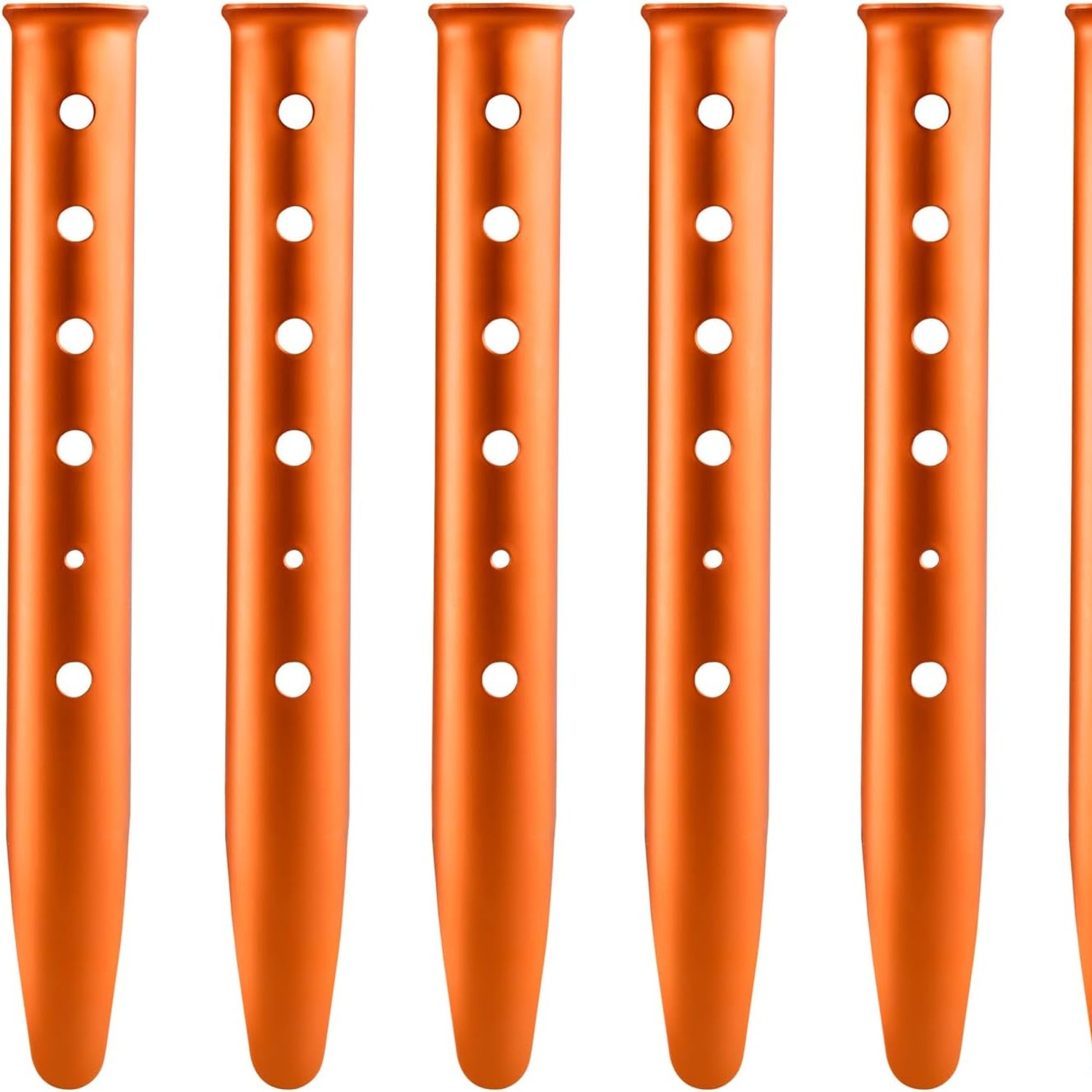
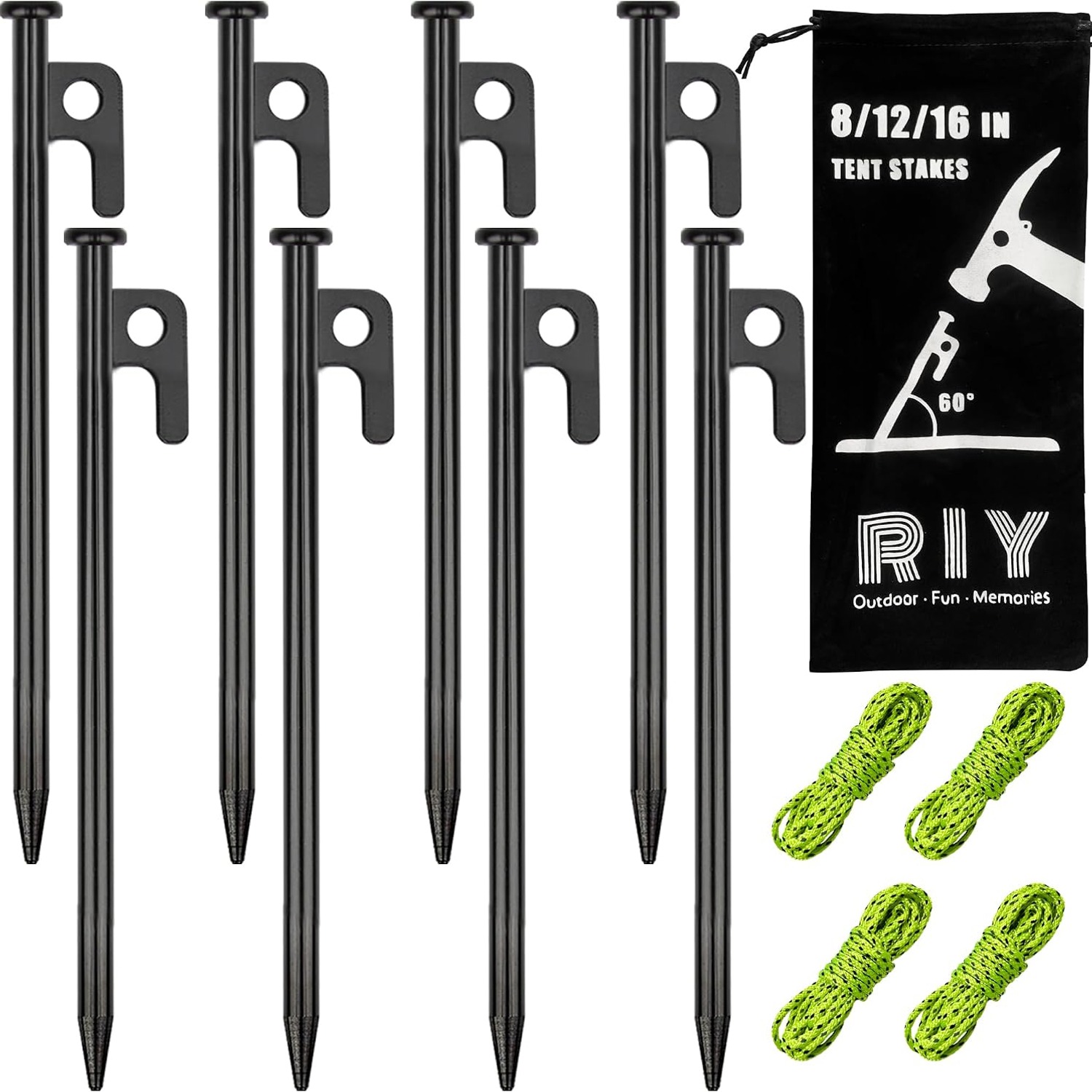
Then plan what you will pitch it with. The carry bag is included, but pegs, poles and cord are not. A handful of pegs and ten metres of paracord weigh almost nothing and turn a flat sheet into a proper shelter. Trekking poles work as uprights if you already carry them.
Finally, consider colour and visibility. You get camo on one side and silver on the other, so you can choose to blend in or stand out depending on the day. If you are trying to be found, silver out. If you are trying not to spook anything, camo out.
Pitching it well
A few habits make a big difference. Pitch with a slope so rain runs off rather than collecting in the middle. Even a small sag will hold litres of water, and the weight of that water is what rips grommets.
Keep the low edge of a lean-to facing into the prevailing wind, not away from it. A wind-facing opening will fill like a sail. Tie off every grommet you reasonably can, since load shared across eight points is far gentler than load through two.
If you are using it as a groundsheet under a tent, fold the tarp edges inward so they sit under the tent floor. An edge sticking out catches runoff and funnels it between the tarp and your tent, which is the opposite of what you want.
Around a fire, give it room. The materials are synthetic and not fire resistant. A single ember can melt through, so keep the tarp upwind and well back.
Looking after it
Shake off dirt and leaves before you pack it. Sponge it with cool water and a little mild soap if it has picked up mud, then rinse and hang it until completely dry. Folding it away damp is the fastest route to musty smells.
Do not machine wash, tumble dry or iron it. Heat and the reflective layer do not mix.
When folding, try not to crease the same lines every time. Repeated sharp folds in one spot will eventually dull or crack a reflective coating. A loose fold or a rough roll is kinder than a crisp, identical fold trip after trip.
Keep it in the carry bag, out of long direct sun, and check the grommets occasionally. Catching a loose patch early is easier than dealing with a tear-out in a storm. A roll of outdoor repair tape stored with the tarp covers most small damage.
The short version
This is a 2.59 m by 1.52 m extra-large tarp with a reflective Mylar face, a two-layer waterproof polypropylene face, ten reinforced grommets and a 1.63 kg packed weight in its own bag. Woodland Camo on one side, silver on the other, with UV protection and a waterproof rating.
Buy it if you want one piece of kit that handles ground cover, overhead shelter and warmth without falling apart after a single outing. Buy two if you want the full shelter plus groundsheet setup. Add pegs and cord, keep it dry when stored, and keep it away from fire.
It is the kind of thing that sits quietly in a boot or a pack for months, and then earns its cost in a single afternoon.