
The complete guide
How To Choose A Soft Cooler That Actually Keeps Things Cold
The problem with most cool bags
Most people own a cool bag that disappoints them. It gets bought for a holiday, used twice, and then lives in the garage because the drinks came out lukewarm and the thing was awkward to carry. The issue is usually not the brand. It is a mismatch between what the bag was built for and what it got asked to do.
A thin promotional cool bag with a foil liner is designed to move a packed lunch across town. A 23 litre insulated cooler with a thermoplastic polyurethane liner is designed to hold a day's worth of drinks in the heat. They look vaguely similar on a shelf. They behave nothing alike once the sun is out.
This guide is about picking the right one and then using it in a way that gets the most out of it.
How a soft cooler actually works
There is no mystery to it. A cooler does not make anything cold. It slows down the rate at which heat gets in. Everything that follows comes from that one fact.
Heat moves into a bag three ways. It conducts through the walls, it rides in on warm air every time you open the lid, and it radiates in from direct sunlight. Insulation deals with the first. Discipline deals with the second. Shade deals with the third.
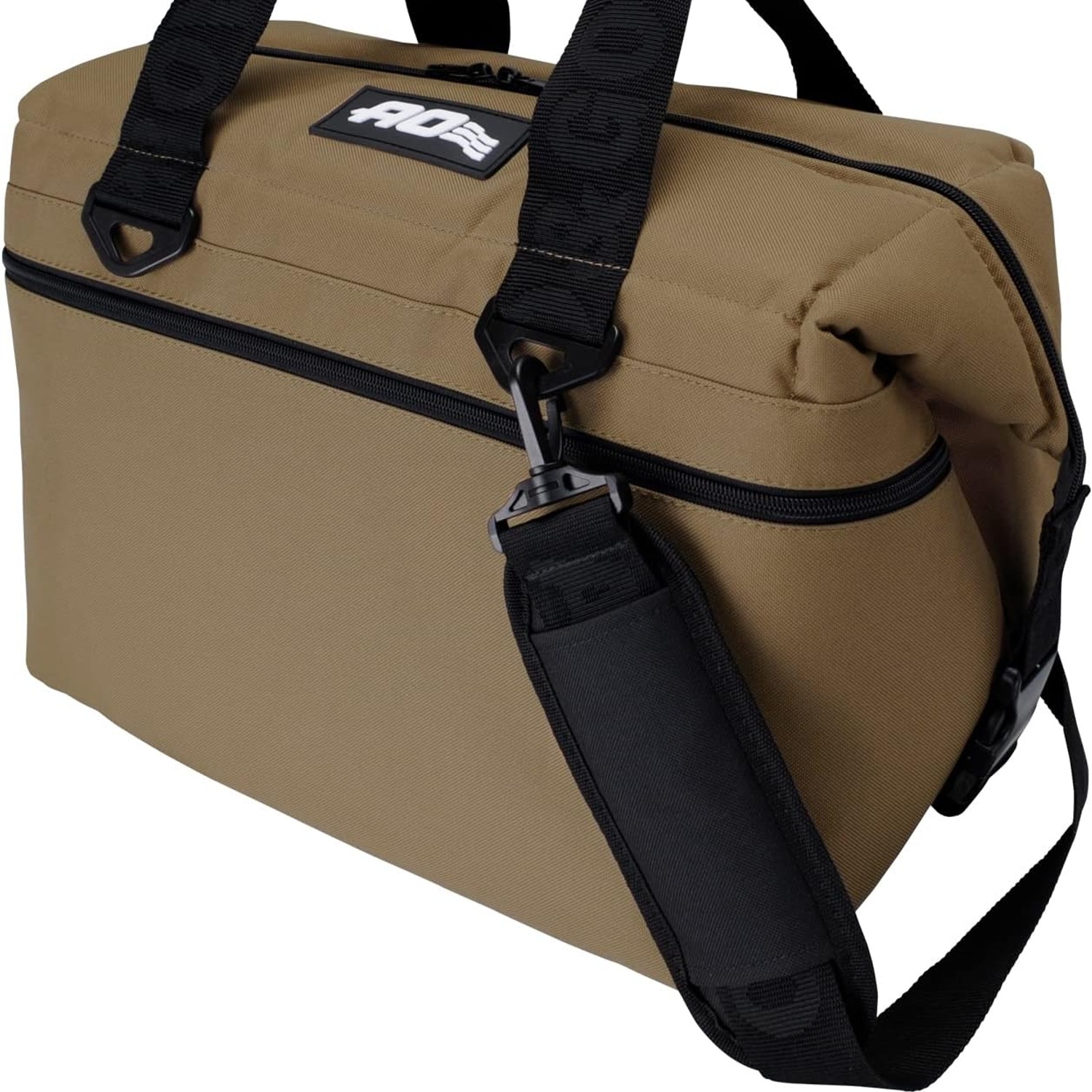
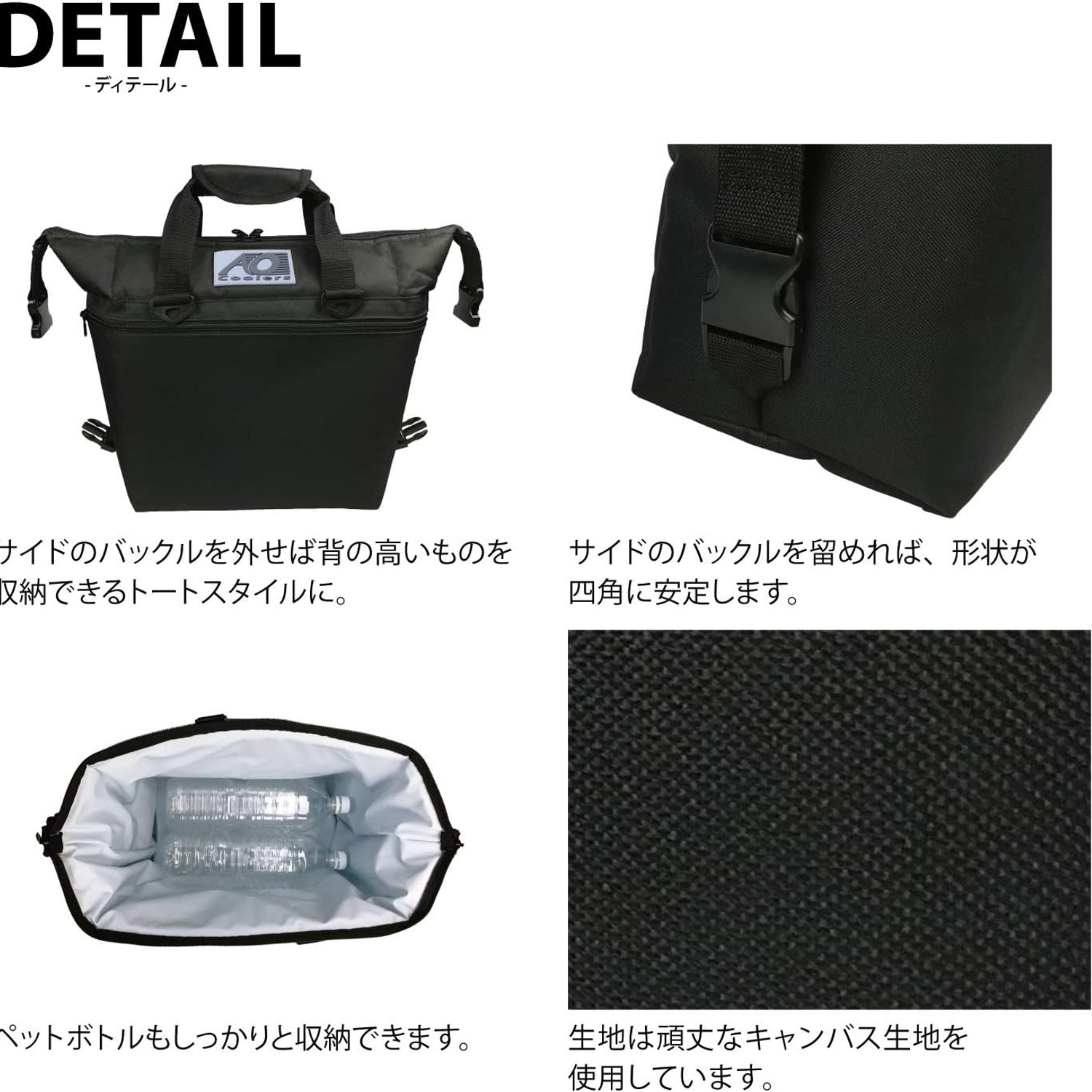
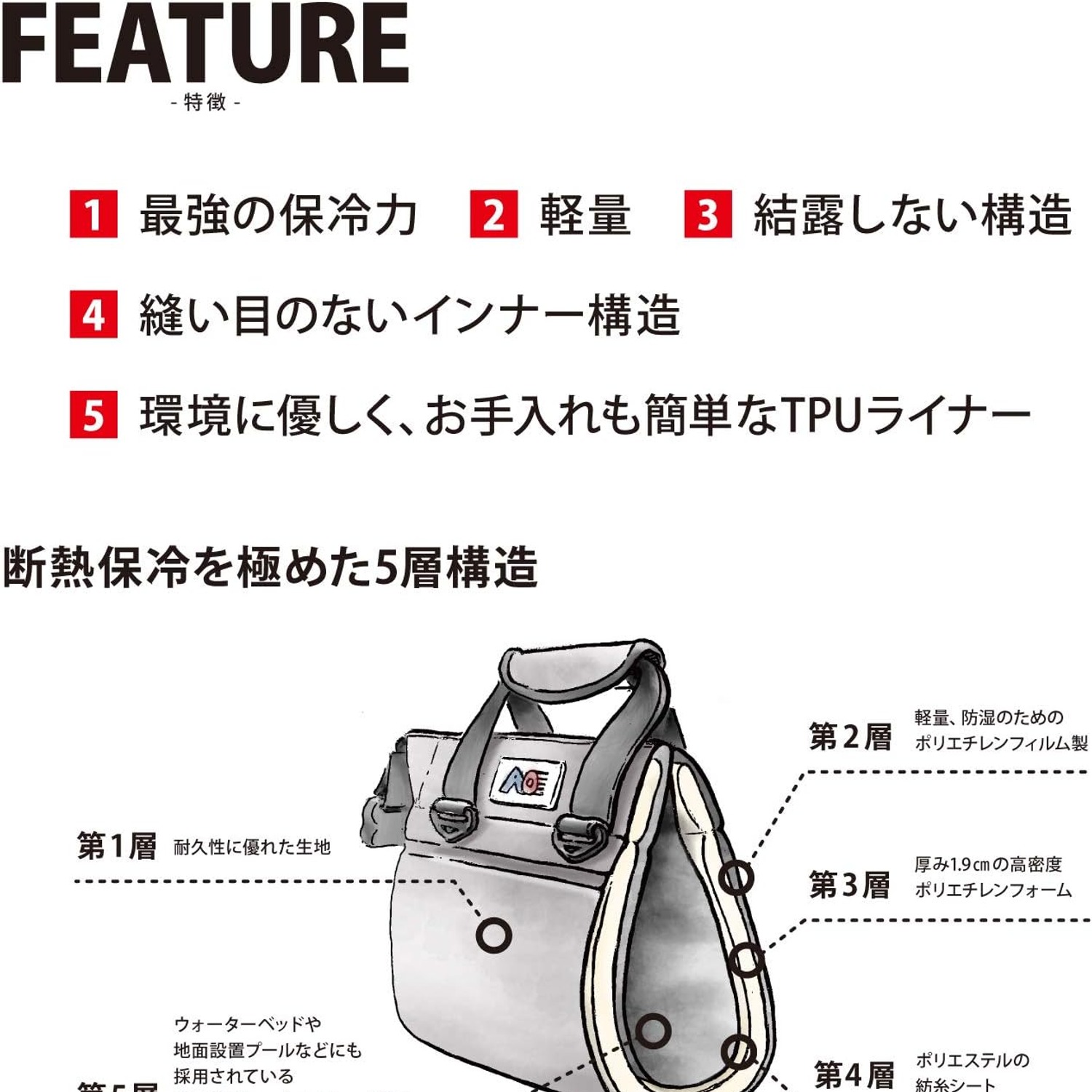
In this cooler the insulation material is listed as thermoplastic polyurethane, and the shell is a nylon and polyester blend. TPU is a flexible plastic used widely in gear that has to hold water and survive being knocked about. In a cooler it gives you a liner that will not soak up a spill and can be wiped out with a cloth.
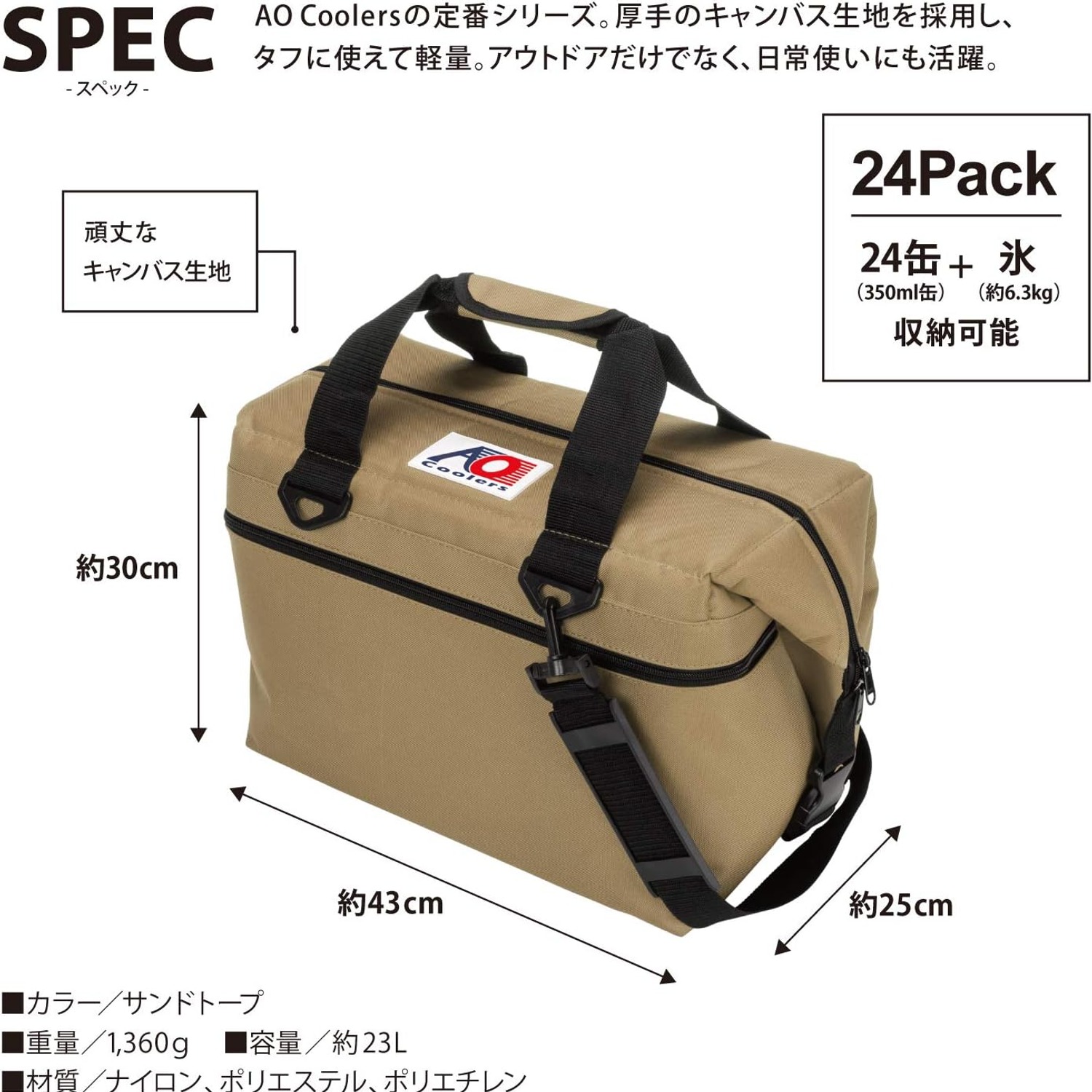
Capacity here is 23 litres, with the bag sold as a 24 can size. The outside measures 25 cm deep, 43 cm wide and 30 cm high, and the chamber is listed at 25 cm deep by 30 cm high. The empty weight is 225 g.
That wide shape is worth noticing. A wide, upright chamber lets you lay cans flat in layers with ice between them, which gives you more contact between cold and content than standing everything upright in a narrow column.
Who a 23 litre soft cooler suits
Think about the trip, not the product.
If your typical outing is a Saturday at the sport, a beach afternoon, a fishing session, a picnic or a long drive with chilled groceries in the back, a 23 litre soft cooler is the right class of thing. It holds enough for a small group for a day without becoming a two person lift. The supplier lists outdoors, fishing, sports, picnics, travel and home storage as recommended uses, and those are honest categories for a bag this size.
If your typical outing is a four day camp in remote heat with no ice resupply, you want a hard cooler with thick walls and a gasket seal, and you probably want a soft bag as well for the daily drinks so the big one stays shut.
The 225 g weight matters more than people expect. A cooler that is light when empty is a cooler you will actually take. The heavy rigid ones get left behind on days when you are already carrying chairs, a bag and a child.
How to choose the right size
Start with drinks. Count how many you carry on a normal day out, not a record day. Then add roughly a third again for ice, because ice is not an afterthought, it is part of the load.
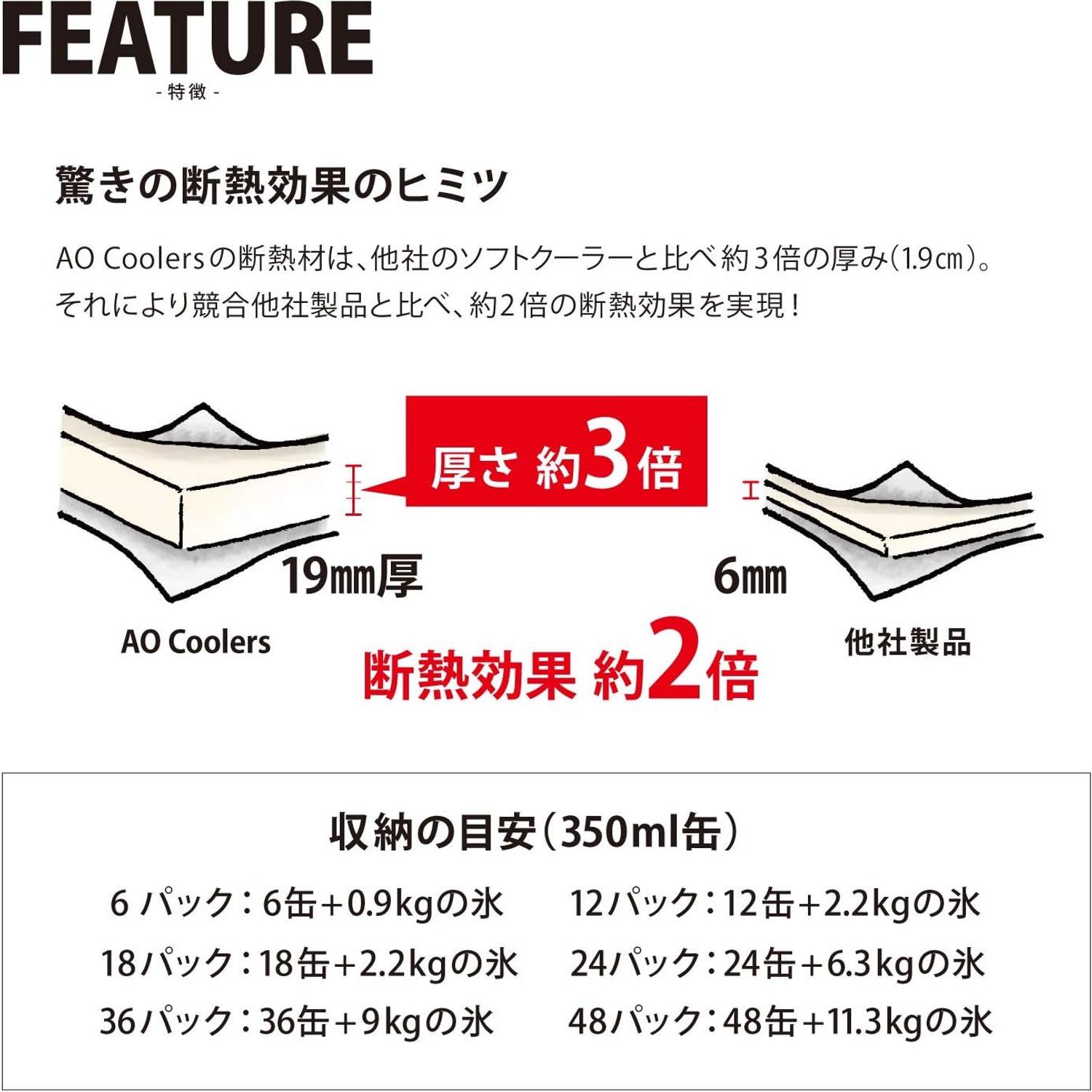
A 24 can bag with a serious ice layer in the bottom realistically carries somewhere closer to 16 to 18 cans plus food. That is not a flaw. That is how coolers work. People who complain about capacity are usually comparing against a dry, ice free load.
Two smaller bags often beat one large one. Opening a bag is the single biggest source of heat gain, so splitting drinks into one bag and food into another means you are not flooding the whole load with warm air every time someone wants a cold can. If you often travel with a mixed group, that split is worth the extra bag.
Also think about where it lives when it is empty. Soft sided coolers give way and pack down. Rigid ones do not. If your storage is a cupboard rather than a shed, that difference decides the question on its own.
Getting more out of it on the day
A few habits do more for cold retention than any spec on a page.
Pre-chill everything. Putting room temperature cans into a cooler means the ice spends its first hours cooling the drinks rather than keeping them cold. Fridge the drinks the night before and the ice lasts dramatically longer.
Fill the bag. Air is the enemy. A half empty cooler warms faster than a full one because there is more air to heat. If you are short on contents, pack the gap with a towel or an extra ice pack.
Keep it shaded and off hot surfaces. A bag sitting on a sun baked car roof or hot concrete is fighting a losing battle. Under a table, in a footwell or under a towel is always better.
Leave the melt water in until you need the space. Cold water holds temperature well and keeps the remaining ice surrounded. Drain it only when it starts to slosh or when you need the room.
Open it as rarely as you can. If you are stopping somewhere for hours, decide who is on drinks duty and pull out several at once rather than opening the bag twenty times.
Looking after it
Care is simple and the whole job takes five minutes.
After each trip, empty and drain the bag, then wipe the liner with warm water and a little mild detergent. Rinse the soap away. Then the step most people skip: leave it open until it is completely dry inside. Almost every smelly cool bag in the world got that way from being zipped shut while damp.
Do not machine wash it and do not put it anywhere near a dishwasher. Heat and agitation damage insulation and seams. Hand wiping is the correct method.
For storage, keep it somewhere dry and avoid crushing it flat under heavy gear for months. If something leaks inside, deal with it that day rather than next weekend. Sealing raw meat or fish in a container before it goes in saves you most of this work in the first place.
The supplier record notes a five year EU spare part availability duration. That is about parts, not a warranty, and no warranty term is stated for this listing, so we have not claimed one.
What the record does and does not tell you
We would rather be straight about this. The supplier data gives dimensions, capacity, weight, materials, colour, model number and recommended uses. It does not specify country of origin, and it does not give a tested ice retention time for this exact listing, so we have not quoted one. Ice life varies so much with conditions that a single number is close to meaningless anyway.
Everything in the specs table above is copied from the supplier record so you can check the figures that matter to you before deciding.
The short version
A soft cooler is the right tool when you need cold drinks and food to travel easily, and you want the bag to disappear into a cupboard afterwards. This one holds 23 litres, is sized for 24 cans, measures 25 by 43 by 30 cm and weighs 225 g empty, with a thermoplastic polyurethane liner inside a nylon and polyester shell in sand taupe.
Pre-chill what goes in, pack it full, keep it in the shade, and open it less often than you want to. Do those four things and a bag like this will see you through a long day out without any drama.