

The complete guide
Choosing A Wheeled Cool Box, A Practical Buyer's Guide
The problem with a good cool box
A cool box only works if you actually bring it. That sounds obvious, but ask anyone who owns a big hard cooler how often it stays in the garage because the walk from the car is too far, or because they cannot face lifting 20 kilos of ice and drinks over a kerb.
Weight is the hidden cost of cold. Insulation needs thick walls. Ice is heavy. Fill 26 litres with drinks and a bag of ice and you have a load that most people can lift, but nobody enjoys carrying across a field, a beach, or a long stretch of campsite gravel.
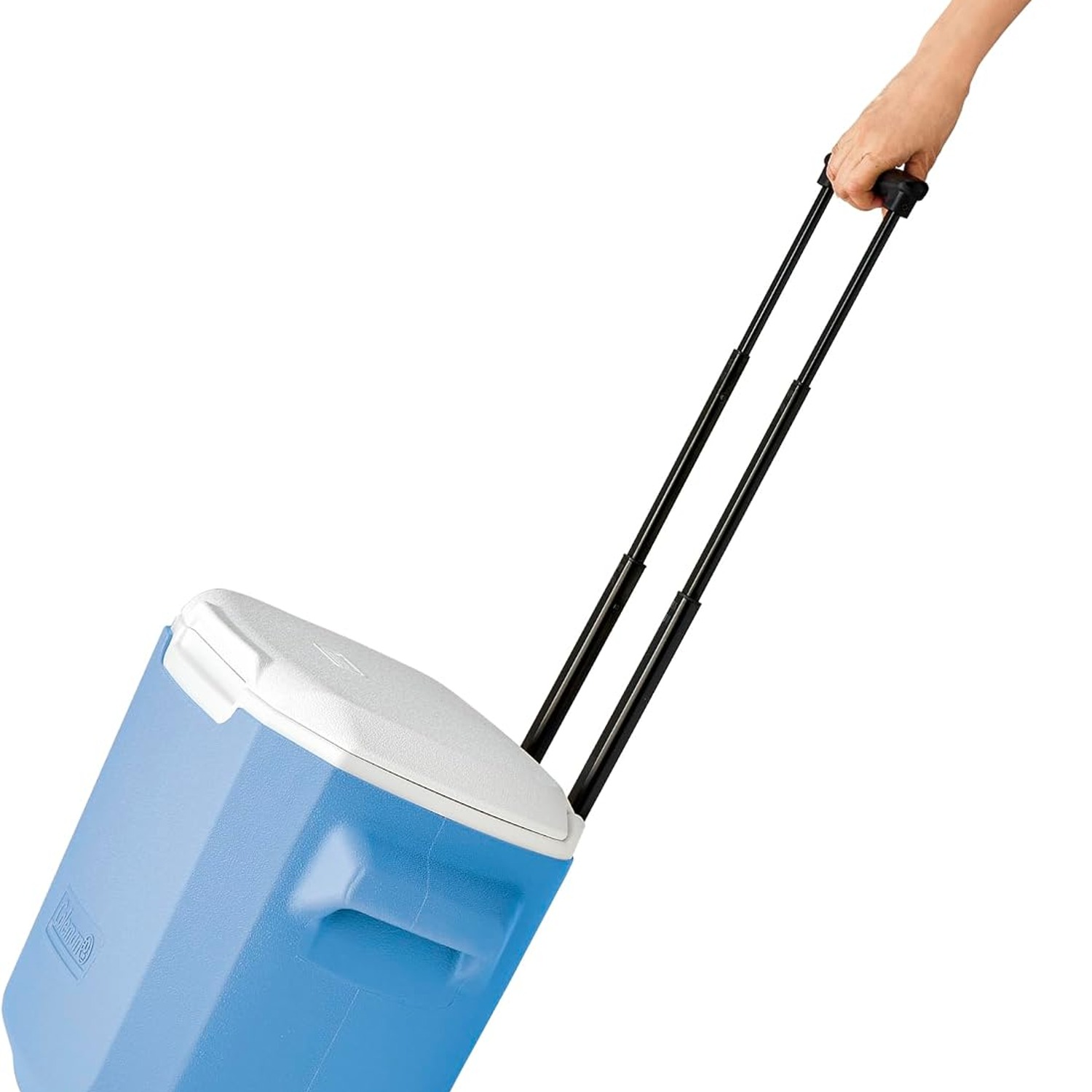
Wheels change the maths. Once the load is rolling, the weight stops mattering nearly as much. You tilt, you pull, and the cool box follows you. That is the single reason wheeled models like this Coleman have become the default for families, sports clubs and campers who move their gear more than a few metres.
How a hard cool box actually keeps things cold
There is no refrigeration happening inside a passive cool box. It is a very good insulated container, and the cold comes entirely from whatever you put in it. The job of the box is to slow down how fast the outside heat gets in.
This one uses a moulded polyethylene shell with polyurethane foam in the walls, which is the standard construction for hard coolers. The foam is the part doing the work. Thicker foam means slower heat transfer, which means ice lasts longer. Steel is used in the handle assembly, where strength matters more than insulation.
Coleman rates the cold retention at around two days when used properly. That phrase matters. Two days assumes a few things are true. The box started cold rather than sitting in a warm boot. There is a decent amount of ice relative to the contents. The box is reasonably full, because air gaps warm up fast. And the lid is not being opened every ten minutes.
Get those right and two days is realistic. Get them wrong and you will be looking at lukewarm water by the second morning. The box is only ever half the equation.
What 26 litres gets you
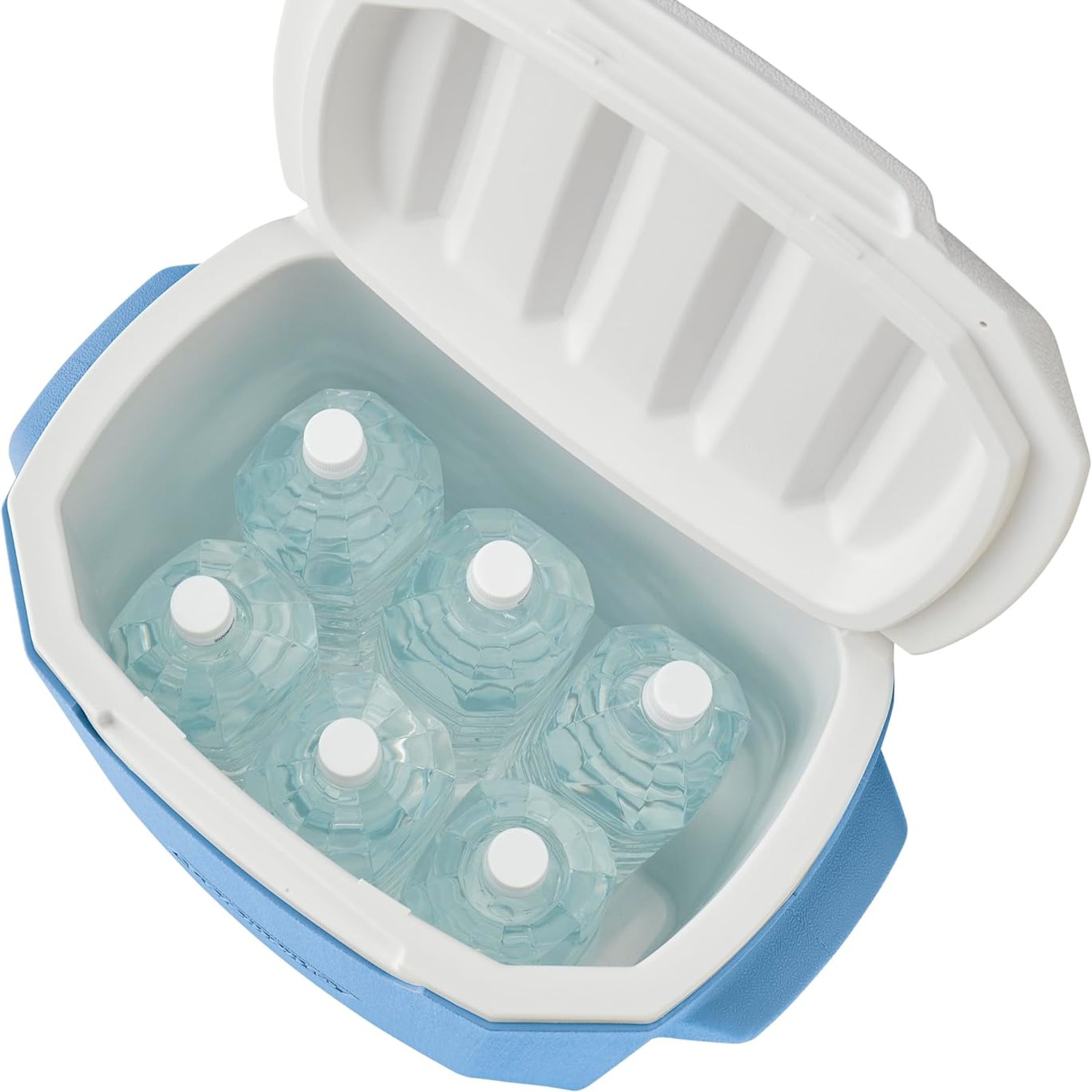
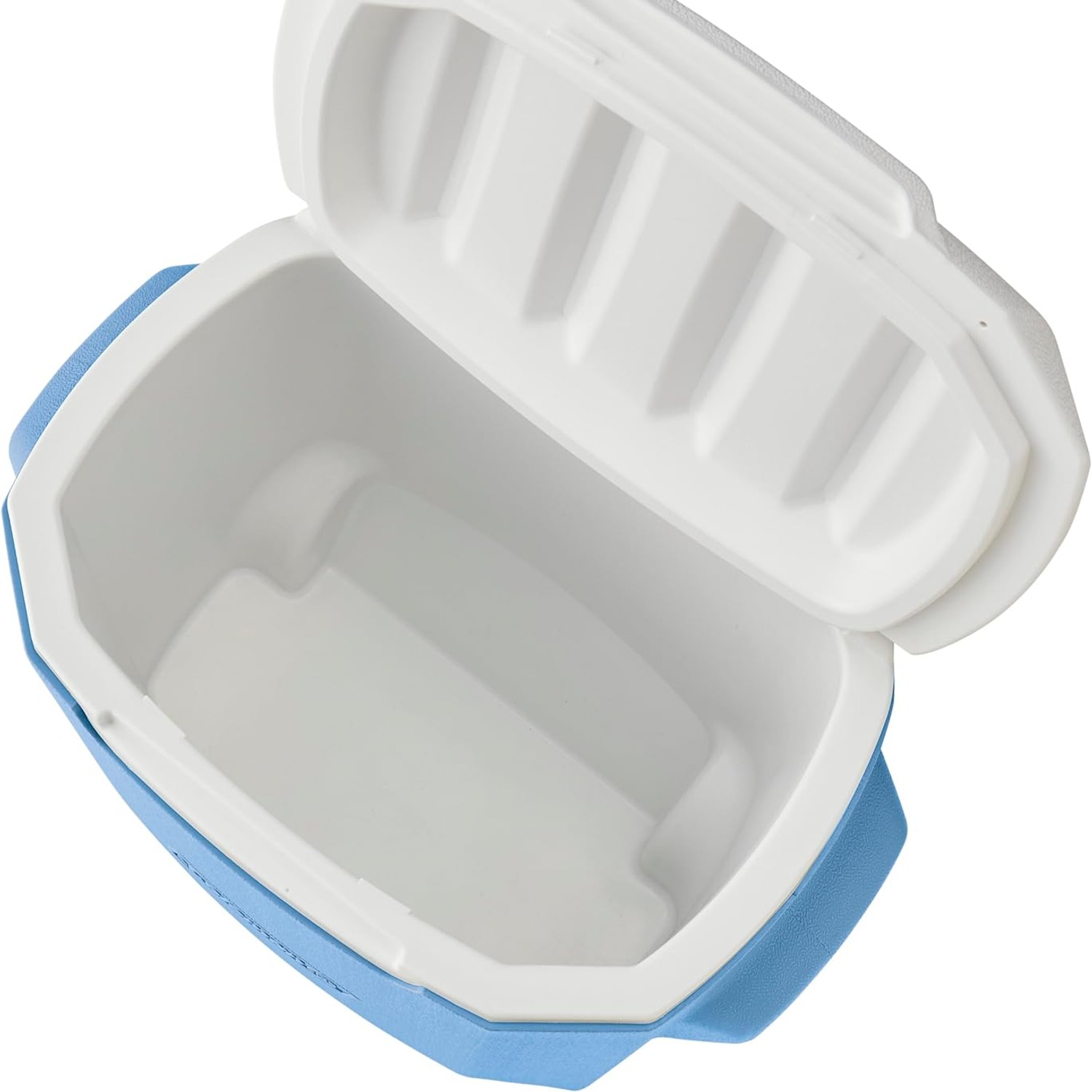
Numbers in litres are hard to picture, so Coleman gives a useful reference point. The interior takes six 2 litre plastic bottles standing up. That is the whole box used for drinks, with nothing else in it.
In mixed use, think of it this way. A family of four on a day out will fit sandwiches, fruit, yoghurts, a few cans and a bag of ice with room to spare. A couple camping for a weekend can carry milk, butter, meat for two meals, and drinks, provided they shop sensibly and use block ice rather than cubes.
Where 26 litres runs short is big group catering. A barbecue for ten people, a long festival weekend, or a week-long trip to somewhere remote will need more capacity, or a second box dedicated to drinks so the food box stays shut.
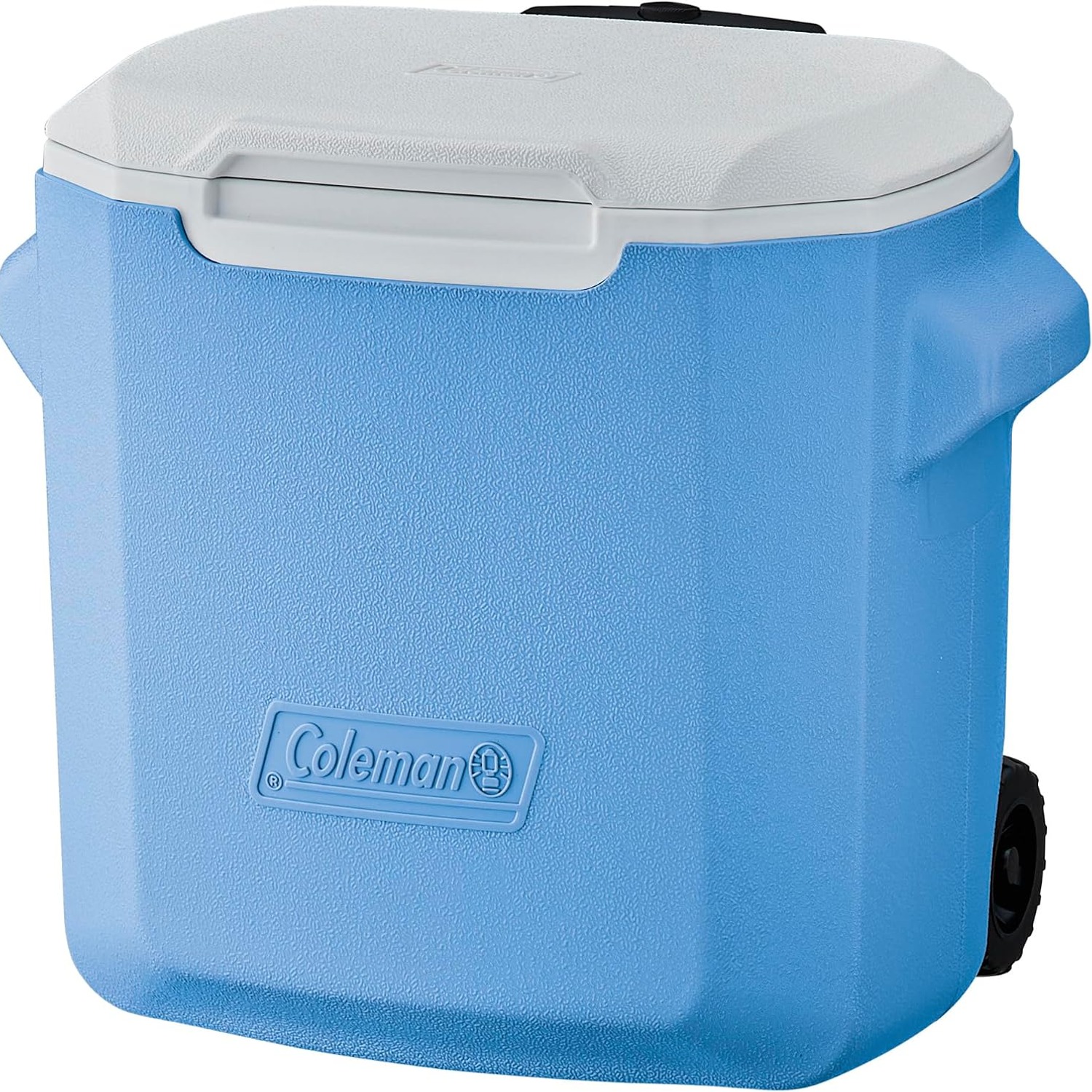
The outer size is 42 cm deep, 34 cm wide and 42 cm high. That fits most car boots comfortably. It is a bit taller than a low-slung cooler because of the wheel and handle hardware, so if your boot has a tight lid or a parcel shelf you cannot remove, measure first.
Who this suits
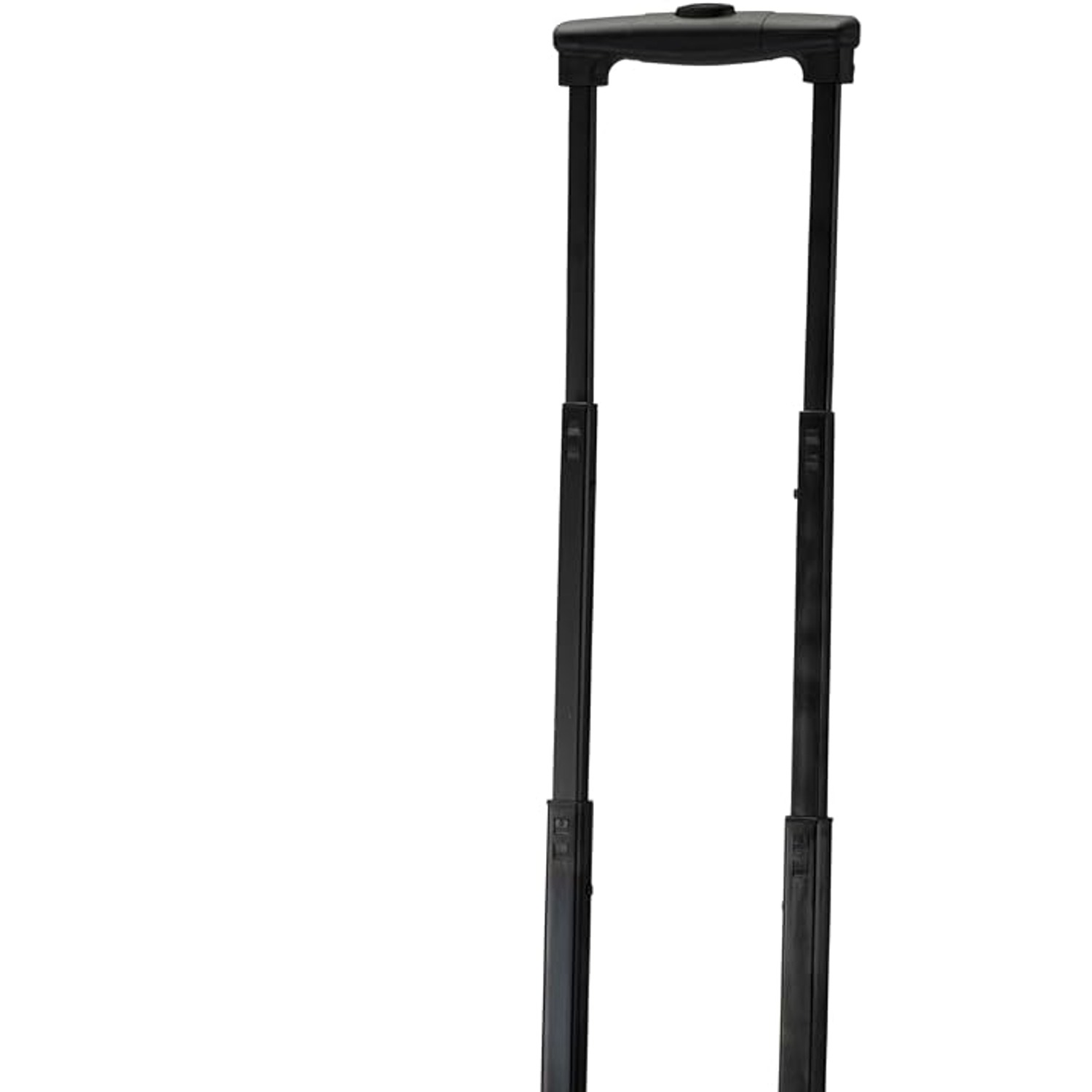
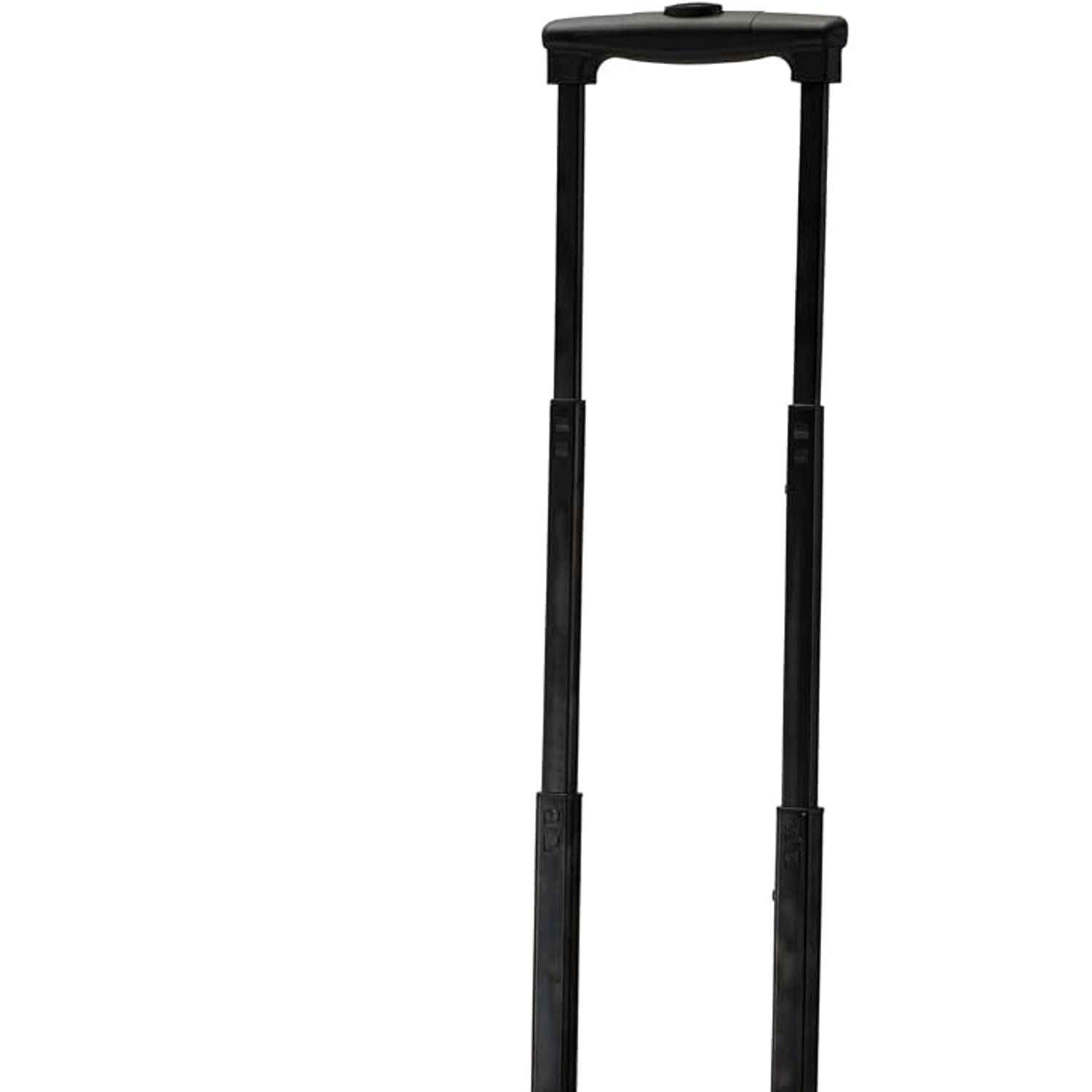
Campers are the obvious group. A cool box that rolls from the car to the pitch is worth a lot when you are also carrying a tent, chairs and a stove. The telescoping handle collapses flat once you arrive, so it tucks under the awning without taking up extra room.
Sports parents are the other big one, and Coleman lists sports and competitions among the recommended uses. Twenty six litres of cold water and squash keeps a junior team hydrated through a morning of fixtures, and one adult can move it without help.
Beach days work well on firm sand, promenades and boardwalks. Be realistic about soft dry sand, though. No wheeled cooler rolls easily through it. Most people pull it as far as the wheels will cooperate, then lift for the last few metres.
It also quietly earns its place as a car box for long drives, a caravan cool box, and the thing you throw in the back for a market run when you have an hour of driving ahead with chilled shopping.
Packing it so the cold lasts
A few habits make more difference than the specification sheet.
Pre-chill the box. Put a bag of ice in overnight and tip it out before you load. Cold plastic walls do not steal cold from your contents.
Use block ice at the bottom and cubes on top. Block ice has less surface area so it melts slower. Cubes fill the gaps and chill things faster. The combination outlasts either on its own.
Fill the space. Air is the enemy. If you are short on contents, add extra bottles of frozen water, which double as ice and as drinks later.
Keep your drinks and your food separate if you can. The drinks box gets opened constantly, the food box barely at all. If you only have one box, put the drinks on top so you are not rummaging past the food every time.
Coleman also advises putting contents in a bag or container before loading. It keeps meltwater off your food and makes the clean-up at the end a two-minute job instead of a chore.
Finally, keep it in shade. A cool box in direct sun works much harder than one under a towel or a tree. Covering it with a light-coloured blanket is a genuinely effective trick.
Looking after it
Cleaning is simple and it only takes a few minutes. Empty it, drain the water, then wash the inside with warm water and a mild detergent. Rinse and wipe dry.
The bit most people skip is drying. Store a cool box with the lid shut while the inside is damp and you will open it next season to a musty smell that takes real effort to shift. Leave the lid open or propped ajar until it is bone dry, then store it that way if you have the space.
Wipe sand and grit off the wheels after beach trips. Grit in a wheel bearing is what eventually turns a smooth roll into a drag. Keep the box out of long periods of direct sunlight in storage, as prolonged heat and UV are hard on any moulded plastic over the years.
If a smell does take hold, a weak solution of bicarbonate of soda and water, wiped on and rinsed off, usually clears it. Avoid harsh solvents and scourers, which can scuff the lining.
The short version
This is a 26 litre Coleman hard cool box on wheels, with a telescoping handle, a polyethylene shell and polyurethane foam insulation. It holds six 2 litre bottles, measures 42 x 34 x 42 cm, and is rated at around two days of cold when packed properly.
Buy it if you move your cool box more than a few metres, if you camp, if you do beach days or sports mornings, and if you have ever resented the walk back to the car with a loaded cooler biting into your hands.
Look at a bigger model if you cater for large groups or go away for a week. Look at a soft bag if you only ever need a couple of hours of cold and want something that folds flat.
For everything in between, a mid-size cool box that rolls is one of the more useful pieces of outdoor kit you can own. Pre-chill it, pack it full, keep it shaded, and dry it out afterwards. That is most of the job done.