Camping Company
Company
Shop By Category
T&Cs
Shop Online
  • Clear materials and product specifications
  • Free tracked delivery across Ireland over €120
  • 14-day returns

Snow And Sand Tent Stakes | Aluminium Tent Pegs | Beach Tent Pegs

Aluminium Snow and Sand Tent Stakes (6 Pack)

€59.99
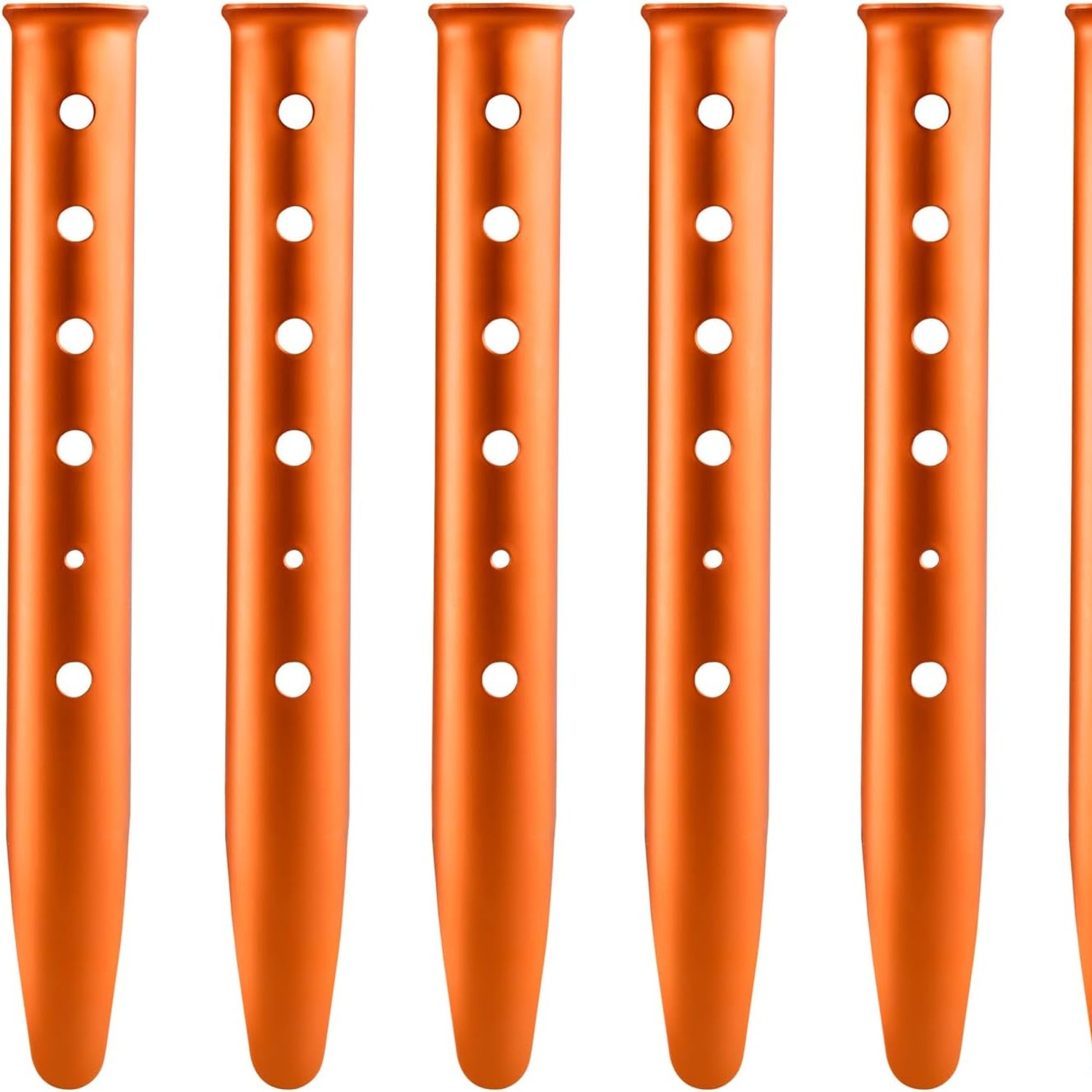
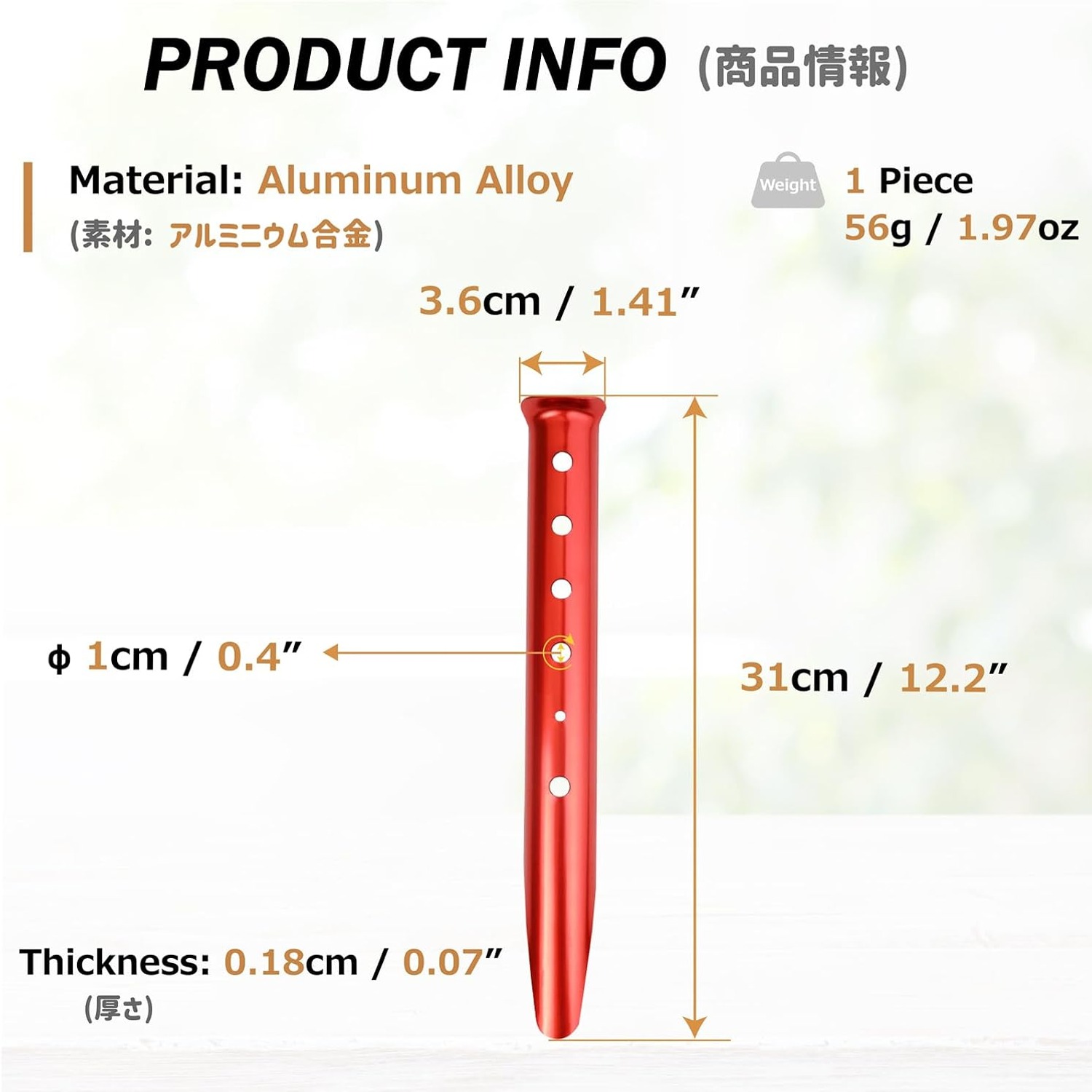
  • Wide 3.6cm Blade
  • 52g Each
  • Anodised Finish
  • Bright Orange

Price: €59.99

  • Free tracked delivery across Ireland on orders €120+, otherwise a flat €15
  • Pay by card or PayPal, handled by the payment provider
  • 14 days to change your mind, plus your statutory rights
Product specifications
BrandAzarxis
Model Number3316
MaterialAluminium
ColourOrange
StyleTent Stake
Length31 cm
Width3.6 cm
Product Dimensions31 L x 3.6 W cm
Weight Per Stake52 g (1.84 oz)
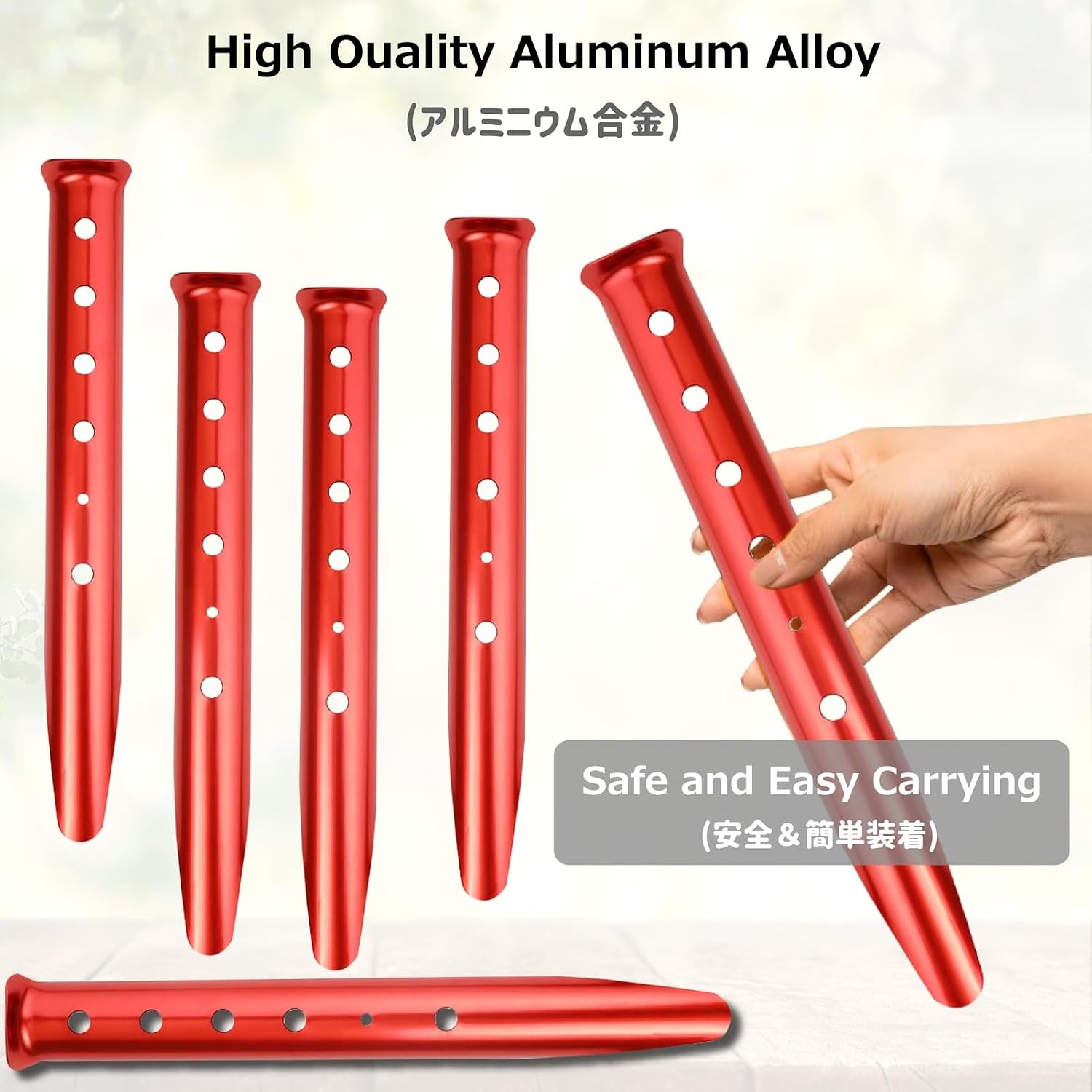
Number Of Pieces6
Recommended UsesCamping, trips, hiking, backpacking, picnics, shade canopies, beach, snow
Weight0.05 kg
Shipping & returns

Tracked delivery anywhere in Ireland. It is free on orders of €120 or more, and a flat €15 below that.

Under the Consumer Rights Act 2022 you have 14 days from delivery to cancel for any reason, and a further 14 days to send it back in resaleable condition. We refund the price you paid, including standard delivery. You cover the cost of returning it unless the item is faulty.

If it arrives faulty, damaged or not as described, we put it right at no cost to you under the Consumer Rights Act 2022 and the EU Sale of Goods Directive 2019/771, return postage included.

Shipping details · Refunds and returns

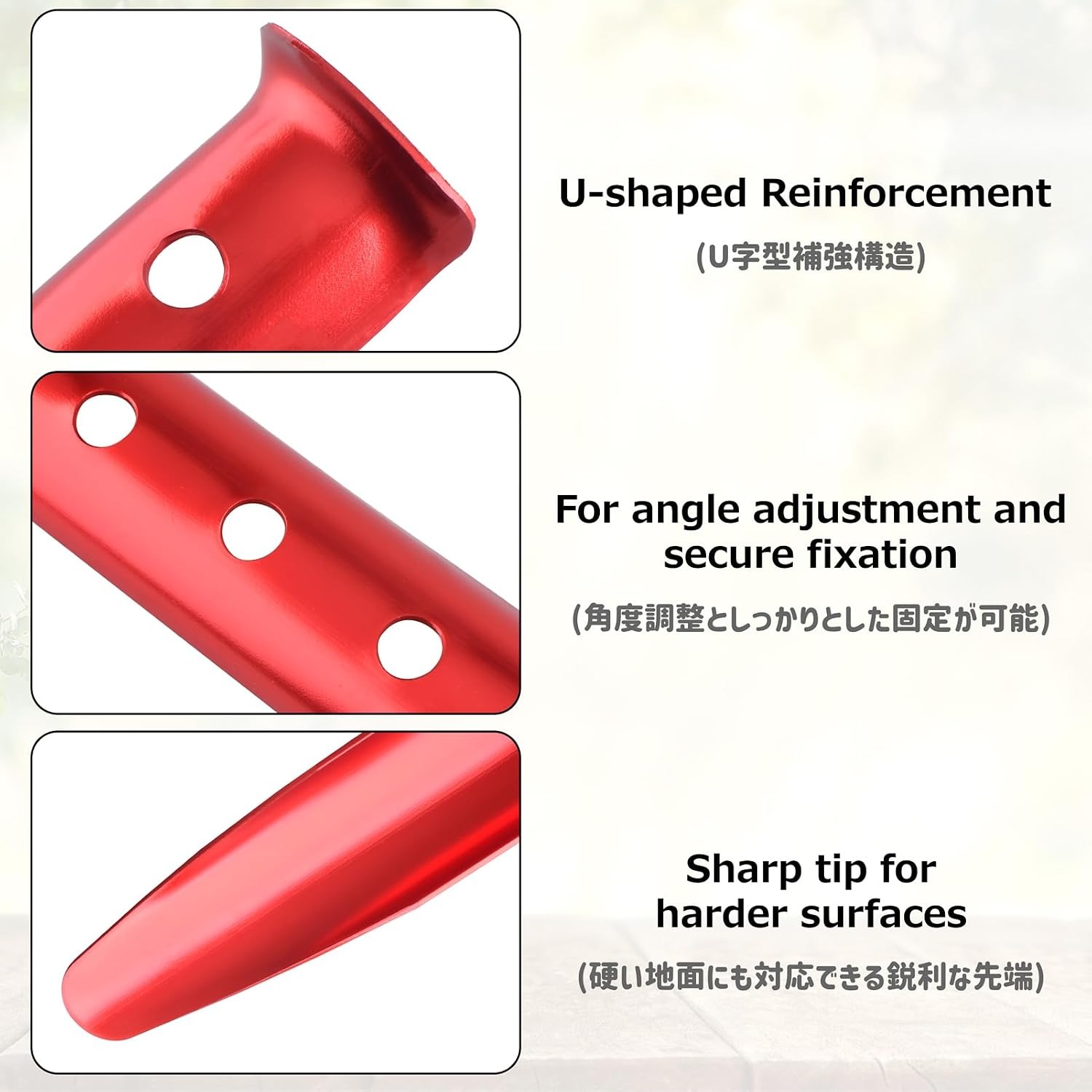
Wide 3.6cm BladeSpreads load across loose sand and snow instead of slicing through it.
52g EachLight enough for hiking kits and packable shade canopies.
Anodised FinishHard surface treatment that resists wear and scuffing in grit.
Bright OrangeEasy to see against pale sand or snow so fewer stakes get left behind.

Keep your shelter anchored where ordinary pegs pull straight out, with snow and sand tent stakes built for soft ground.

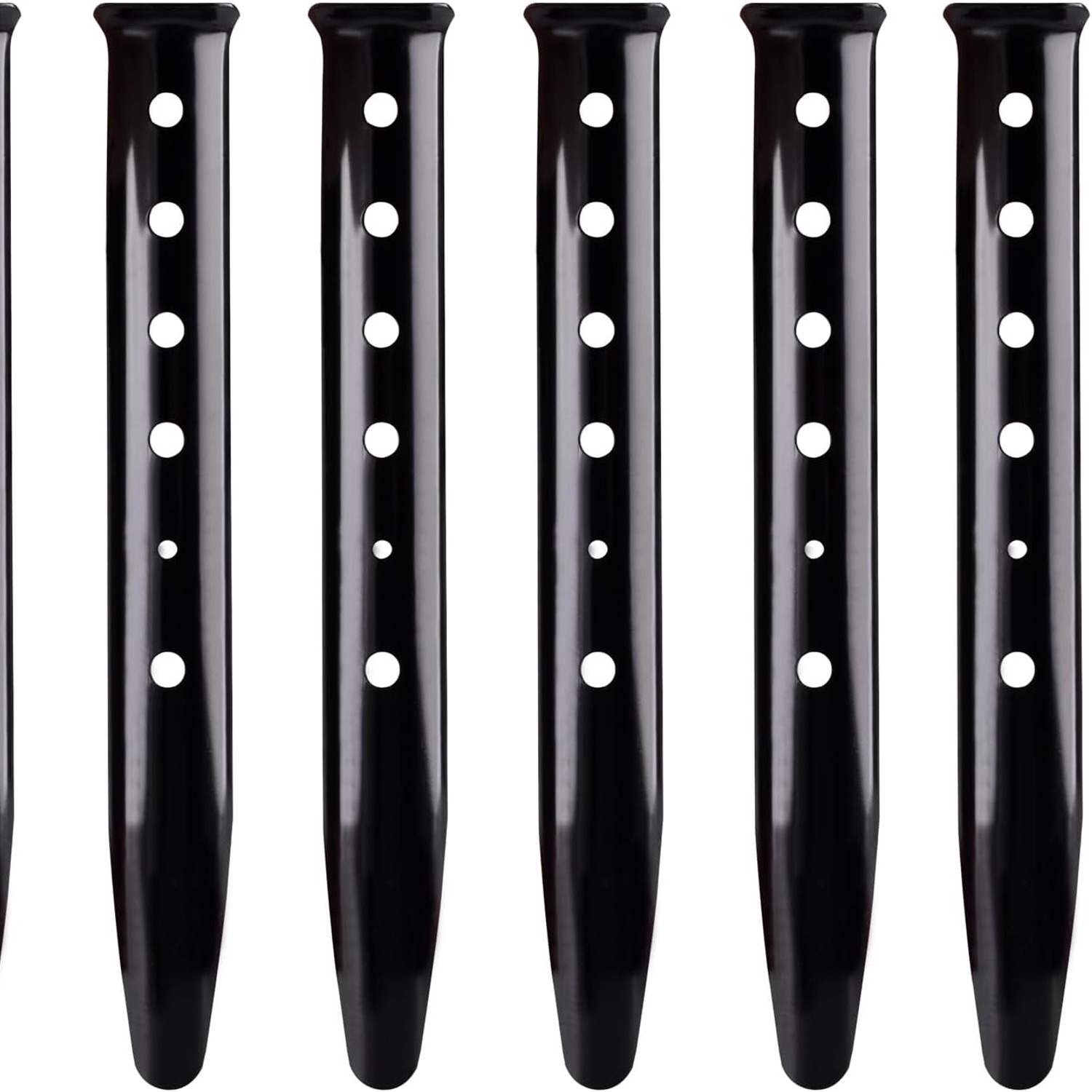
Six anodised aluminium stakes, 31cm long and 3.6cm wide, weighing just 52g each, with a bright orange finish that stays easy to spot on open sand or fresh snow.

Six aluminium stakes designed for sand, snow, ice and other soft ground where standard round pegs lose their grip.

Each stake measures 31cm long by 3.6cm wide, so the blade presses against a much larger area of loose material.

At 52g per stake the full set adds very little to a pack, which suits hiking, backpacking and day trips to the beach.

An anodised surface treatment gives the aluminium a harder, more wear-resistant finish for repeated use in abrasive grit.

The orange colour stands out against pale ground, making the stakes quick to find when you pack up.

Aluminium Snow and Sand Tent Stakes (6 Pack)

Anyone who has tried to pitch a tent on a beach knows the problem. You push a normal round peg into the sand, it goes in easily, then the first gust of wind pulls it back out just as easily. Soft ground does not hold a thin shaft, because there is almost nothing for the shaft to push against. Snow behaves the same way, and so does loose dry soil after a dry spell. The usual fix is to bury something broad and flat, and that is exactly what these stakes are shaped to do.

Aluminium Snow and Sand Tent Stakes (6 Pack)

Each stake is 31cm long and 3.6cm wide, made from aluminium. The width matters more than most people expect. A wide blade presses against a much larger area of sand or snow, so the load spreads out instead of concentrating on a narrow line. Length matters too, because deeper material is usually more compacted and gives better hold than the loose surface layer. Together those two numbers are what separate a stake that stays put from one that drifts upward every time the guy line tightens.

Aluminium Snow and Sand Tent Stakes (6 Pack)

Weight is the trade-off most campers worry about. At 52g per stake, six of them come in at roughly 310g, which is light enough to carry in a hiking kit without much thought. Aluminium gives you that low weight while still holding its shape under normal tension. The stakes have been anodised, a surface treatment that hardens the outer layer of the metal and helps it resist wear from abrasive grit. The same process is what gives them their colour.

Aluminium Snow and Sand Tent Stakes (6 Pack)

That colour is more useful than it sounds. Orange against pale sand or white snow is easy to pick out at a glance, which saves time at pack-up and means fewer stakes get abandoned at the campsite. If you have ever walked a beach at dusk hunting for a silver peg, you will understand why bright anodising keeps turning up on gear designed for open ground.

Aluminium Snow and Sand Tent Stakes (6 Pack)

These are purpose-built for soft conditions, not general-purpose pegs. They are intended for beaches, snow, ice and soft ground where a broad blade can bed in. Hard-packed earth, stony ground and rocky campsites are the wrong job for them, and the manufacturer notes they are not suited to tents that use small needle loops at the corners. If you camp across mixed terrain, the sensible approach is to carry these for sand and snow trips and keep a set of standard pegs for firm ground.

Not sure yet? That is fine.

Camping gear has to suit your trip and your climate, and you cannot always judge that from a photograph. Under the Consumer Rights Act 2022 you have 14 days from delivery to cancel for any reason, and a further 14 days to send it back in resaleable condition. We refund the price you paid, including standard delivery.

If it turns up faulty, damaged or not as described, that is on us. The Consumer Rights Act 2022 and the EU Sale of Goods Directive 2019/771 covers you, and we pay the return postage. Read the full detail on our refunds and returns page, or ask us anything before you order.

Frequently Asked Questions

What are snow and sand tent stakes?

They are pegs with a wide, flat blade instead of a thin round shaft. The extra surface area lets them press against loose material like sand or snow rather than cutting straight through it. That is what keeps a shelter anchored on ground where normal pegs slide out.

How big is each stake?

Each stake is 31cm long and 3.6cm wide. The length lets you reach firmer material below the loose surface layer, and the width is what gives the blade something to push against.

How many stakes are in the pack?

Six stakes come in the pack. That covers the four corners of most small tents plus two guy lines, or a basic beach shade setup.

How much does each one weigh?

Each stake weighs 52g, which is 1.84 ounces. Six of them come to around 310g total, so the full set is light enough for a hiking pack.

What material are they made from?

They are aluminium. It is the usual choice for lightweight camping hardware because it gives a good strength-to-weight ratio without the bulk of steel.

What does anodised mean?

Anodising is an electrochemical treatment that hardens the outer surface of aluminium. It makes the metal more resistant to scuffing and wear, and it also allows colour to be applied. These stakes are finished in orange.

Why are they orange?

Bright colour makes the stakes easy to spot against pale sand or snow. It is a simple detail that stops stakes from being left behind when you pack up in low light.

Will these work on hard ground?

No. They are made for soft ground, and the manufacturer specifically notes they are not suitable for hard or stony land. A wide blade cannot drive into compacted earth, and forcing it will only bend the metal.

Can I use them on grass?

Grassland is not a recommended use for these stakes. Turf is usually firm enough that a standard round or V-section peg works better. Keep these for sand, snow and genuinely soft ground.

Are these the best sand tent pegs for a beach shelter?

They are designed for exactly that job. The 3.6cm blade spreads load across loose sand, and the 31cm length reaches down past the hot dry surface layer into damper, firmer sand. That combination is what holds a beach shelter in a breeze.

How deep should I bury them in sand?

As deep as the stake will go, ideally to the full 31cm. Damp sand below the surface holds far better than the dry layer on top, so getting the whole blade down makes a noticeable difference.

Can I bury them sideways as a deadman anchor?

Many people do exactly that with wide stakes. Dig a trench, lay the stake flat with the guy line tied around it, then pack sand or snow firmly back on top. It is one of the most secure ways to anchor in very loose material.

Do they work in snow?

Yes, snow is one of the listed uses. The same principle applies as with sand, a broad blade pressing against packed snow holds much better than a thin shaft. Letting the snow settle and refreeze around the stake increases the hold.

Will they work on ice?

Ice is listed among the recommended conditions, though hard ice is a difficult surface for any stake. In practice you will get the best result in softer snow-ice mixes or by packing snow around the stake rather than trying to drive it into solid ice.

Are they good for backpacking?

At 52g each they are reasonable for a hiking kit, especially if you are heading somewhere sandy or snowy. If your route is all firm ground, lighter standard pegs make more sense for the weight you carry.

Can I use them for a shade canopy?

Shade canopies are one of the recommended uses. Canopies catch a lot of wind, so anchoring them well on sand matters more than with a low tent. Use all six stakes and bury them fully.

Will they fit my tent?

They work with normal guy lines and most standard peg loops. The manufacturer notes they are not suited to tents that use small needle loops at the four corners, so check your tent's attachment points before ordering.

How do I get them into the ground?

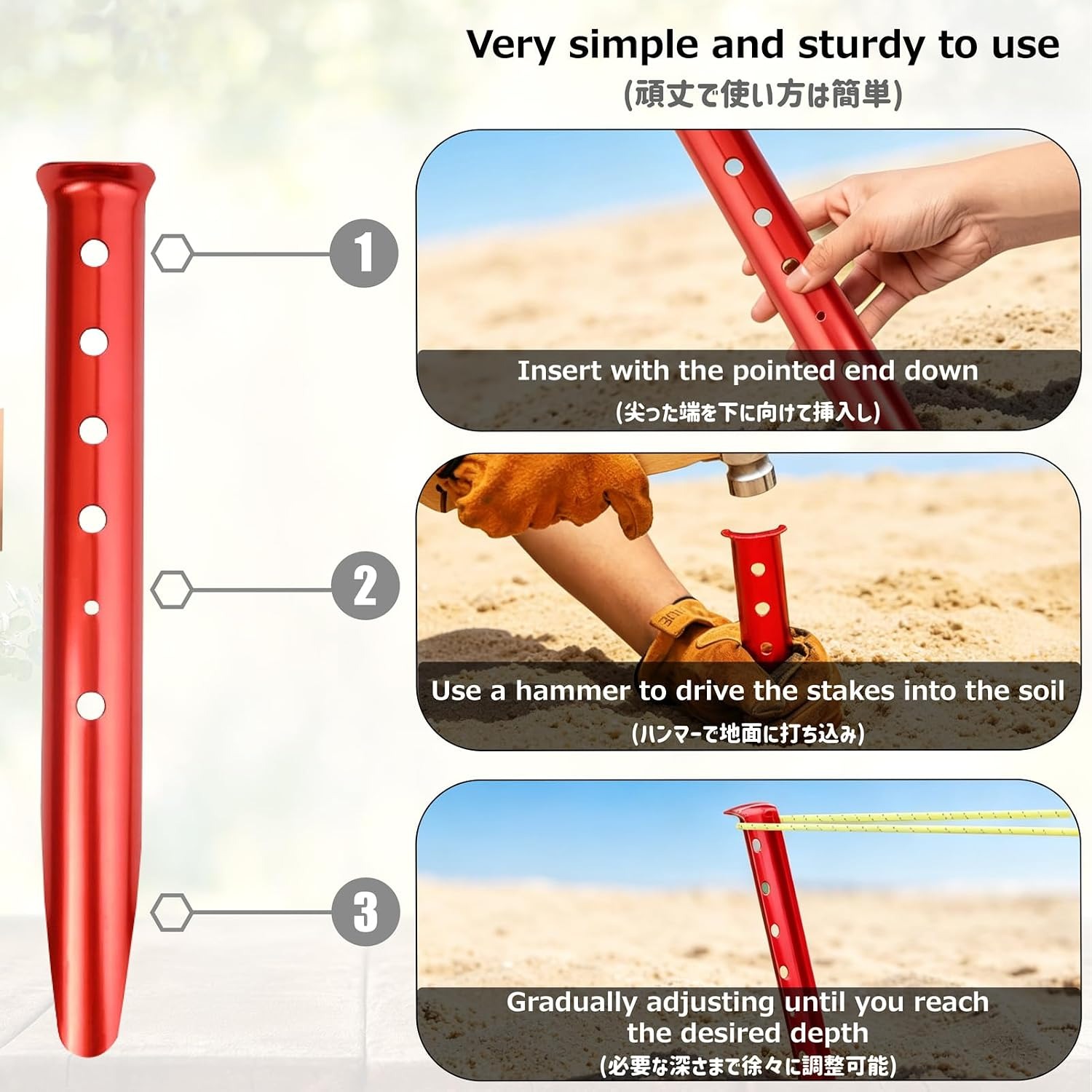
In sand and snow you can usually push them in by hand or with foot pressure. If the material is packed, work the stake back and forth as you press. Avoid hammering them, since a wide aluminium blade is not made to take repeated impact.

Can I hit them with a mallet?

It is better not to. Aluminium stakes with a broad blade can bend or deform under hammer blows, especially if they hit a buried rock. Hand or foot pressure is the right approach in the soft ground these are made for.

What if one bends?

A light bend can usually be straightened by hand or over a knee. Aluminium has some give, but repeated bending weakens the metal, so a badly deformed stake is best retired.

How do I clean them?

Rinse them in fresh water, especially after use on a beach where salt and fine grit cling to the surface. Dry them fully before packing so they do not sit damp in a bag.

How should I store them?

Keep the six stakes together in a small pouch or a side pocket. Loose metal edges can scuff or snag tent fabric if they rattle around inside the main tent bag.

Do they rust?

Aluminium does not rust the way steel does. It can corrode over time with heavy salt exposure, which is why a fresh water rinse after beach trips is worth the minute it takes.

Can I use them for a tarp?

Yes. Tarp guy lines pull in much the same way as tent guy lines, so wide stakes help on sand or snow. They sit well in a kit alongside other soft ground tent anchors.

Are six enough for a family tent?

For a larger tent with several guy lines, six may not be enough on its own. Many people buy two packs so they can anchor every corner and every guy point properly.

What is the model number?

The model number is 3316. Keep it handy if you want to order a matching second pack later.

Are these suitable for windy conditions?

Wide stakes are a clear improvement over round pegs in wind on soft ground, because the blade resists being pulled upward. For strong wind, bury them deep, angle them away from the pull, and consider the sideways deadman method.

Do they come with a bag or pull cords?

Packaging details beyond the six-stake count are not specified in this record. Many people add their own short loops of cord through the top of each stake to make removal easier.

What is delivery and returns like?

Standard delivery and returns apply as set out on this site. Keep the stakes in their original packaging until you have checked the size and finish suit your shelter.

What if they are not right for my setup?

If they do not suit your ground conditions or your tent's attachment points, get in touch through the contact page and we will sort out a return or exchange under the standard policy. These are specialist stakes for soft ground, so if most of your camping is on firm earth a standard peg set will serve you better.

Choosing Tent Pegs for Sand, Snow and Soft Ground

6 min read Camping Company

The problem with soft ground

Pitch a tent on firm earth and a standard peg does its job without you thinking about it. Push it in at an angle, loop the guy line over, done. Move that same tent to a beach and the whole system falls apart within minutes.

The reason is simple physics. A thin round peg holds because the soil around it is packed tight enough to grip the shaft. Sand does not grip. Each grain slides past its neighbour, so when the guy line pulls, the peg just works its way up through loose material until it pops out. Snow does the same thing, especially fresh snow that has not had time to settle.

You can push the peg deeper, and that helps a little. But the fix is not depth on its own, it is surface area. A peg that presses against a bigger patch of sand has to shift a lot more material before it moves, and that is what keeps a shelter in place.

How a wide stake changes things

These stakes are 3.6cm wide. That sounds like a small number until you compare it to a 4mm round peg. The blade is roughly nine times wider, and because the resisting force depends on the area the stake pushes against, that width does most of the work.

Length does the rest. At 31cm, the stake reaches well below the surface layer. On a beach, the top few centimetres of sand are dry, hot and almost fluid. Go deeper and you hit damp sand that packs together and holds far better. A short peg never gets there. A long one does.

The two features work together. Width gives you resistance, depth gives you better material to resist against. Take either one away and you are back to the peg sliding out.

Weight and why aluminium

Camping hardware is always a compromise between strength and what you are willing to carry. Steel pegs are tough and cheap but heavy. Plastic is light but snaps in cold weather. Aluminium sits in the middle, and for soft ground stakes it is the sensible choice.

Each of these weighs 52g. Six of them come to about 310g, roughly the weight of a full drink bottle. That is light enough to throw in a day pack for the beach and light enough that a backpacker heading to snow country will not resent it.

The stakes have been anodised. That is an electrochemical process that hardens the outer surface of the aluminium, making it better at shrugging off the constant scraping that sand and grit inflict on metal. It also carries the orange colour, which is baked into the surface rather than painted on top, so it does not flake away after a few trips.

The colour is not just decoration

Bright orange against pale sand is easy to see. Against snow it is even more obvious. This matters more than you might expect at pack-up time.

Stakes get buried. You pull the guy lines, collect what you can see, and the last one is somewhere under a drift of sand you kicked over it an hour ago. Silver and grey pegs vanish in those conditions. Orange ones do not. Over a few seasons, that is the difference between still owning six stakes and owning four.

It is also a safety point. A stake left half-buried on a beach is something a bare foot will find eventually. Being able to see them all before you walk away is worth something.

Where these do not belong

This is the part worth reading twice, because buying the wrong peg for your ground is the most common mistake.

These stakes are for soft material. Sand, snow, ice and loose soil. They are not for hard-packed earth, they are not for stony campsites, and the maker specifically says they are not suited to grassland. A wide blade simply cannot drive into firm ground, and trying to force it with a mallet will bend the aluminium rather than sink it.

There is one more limitation to check. The manufacturer notes these are not suitable for tents that attach with small needle loops at the four corners. Those loops are sized for a thin shaft and will not slip over a wide blade. Look at your tent's corner attachments before you order. If they are standard webbing loops or guy lines with a cord, you are fine.

If you camp across mixed terrain, the honest answer is that you need both. Keep a set of standard pegs in the tent bag and bring these when the forecast says beach or snow.

Getting the most hold out of them

Push them in as deep as they will go. The temptation on a beach is to leave a few centimetres proud so you can grab them later, but every centimetre you leave out is holding power you threw away. Tie a short loop of brightly coloured cord through the top instead, so you have something to pull on.

Angle matters too. Set the stake leaning away from the direction of the pull, around 45 degrees off vertical. That way the guy line tension presses the blade sideways into the sand rather than lifting it straight up.

For really loose conditions or strong wind, use the deadman method. Dig a trench about 30cm deep, lay the stake flat in the bottom with the guy line tied around its middle, then backfill and stomp the sand or snow down hard on top. It takes two minutes per anchor and it is dramatically stronger than any vertical peg. In snow, let the packed material refreeze around the stake for twenty minutes and it becomes almost immovable.

Use all six. A tent held by four stakes on sand is doing a lot of work with each one. Spreading the load across every available guy point is free insurance.

Looking after them

Salt water and aluminium are not friends over the long run. Rinse the stakes in fresh water after any beach trip, wipe them down, and let them dry fully before they go back in the bag. Damp metal sitting in a nylon pouch for six months is how gear gets ruined between seasons.

Clean off wet sand rather than letting it dry hard on the blade. Dried-on grit is abrasive and will scratch the anodised finish faster than normal use ever would.

Store the six together, ideally in a dedicated pouch. Loose stakes sliding around in a tent bag will eventually find a way to scuff or snag the fabric, and a tent repair costs considerably more than a peg pouch.

If a stake picks up a bend, straighten it gently by hand before the next trip. Aluminium takes a small correction well, but repeated flexing at the same point weakens the metal. A stake that has been straightened several times is one to retire.

Who these actually suit

Beach campers and day-trippers running a shade canopy are the obvious group. Canopies catch wind badly, and a canopy that lifts is both annoying and a hazard to whoever is sitting under it.

Snow campers are the other clear fit. Winter pitching on soft snow is one of the places where ordinary pegs are genuinely useless, and a wide stake plus the deadman technique solves it properly.

Backpackers heading into mixed conditions will find them worth the 310g if any part of the route involves sand, dunes or snow. Picnickers and anyone setting up a windbreak on loose ground will get use out of them too.

If you only ever camp in a grassy campground, these are not the pegs for you. Buy standard ones and spend the difference on something else.

The short version

Six aluminium stakes, 31cm long and 3.6cm wide, 52g each, anodised in orange. The width spreads the load across sand and snow, the length reaches the firmer material underneath, and the colour keeps you from leaving them behind.

They are specialists. Soft ground only, no hard or stony sites, and not compatible with tents that use small needle loops at the corners. Within those limits they do a job that ordinary pegs cannot do at all.

Bury them deep, angle them away from the pull, and rinse the salt off afterwards. That is most of what there is to know.

Browse the shop

Not sure these suit your tent?

Send us your tent model and where you camp, and we will tell you straight whether wide stakes are the right call.

Ask us a question

Page summary

The Azarxis aluminium snow and sand tent stakes are a six-pack of wide-blade pegs made for soft ground. Each stake is 31cm long and 3.6cm wide, weighs 52g (1.84 oz), and is made from aluminium with an anodised orange finish. Model number 3316. The wide blade spreads load across sand, snow, ice and other loose material where thin round pegs pull free. Recommended uses include camping, hiking, backpacking, picnics, shade canopies, beach and snow. They are not intended for hard, stony or grassland ground, and the maker notes they do not suit tents with small needle loops at the corners. Country of origin, exact package dimensions and warranty terms are not specified in this record.