
The complete guide
How to Choose a Solar and Hand Crank Camping Lantern
The problem with camp lighting
Almost everyone has the same story. You get to camp later than planned, it is already dark, and the lantern you packed has flat batteries. Or the power goes out at home during a storm and the only light in the house is a phone screen that you also need for calls. Lighting is the thing people underestimate right up until the moment they need it.
The trouble with older camp lights is that they all depend on something you have to remember. Gas needs canisters. Disposable battery lanterns need a fresh packet of D cells you never actually bought. Even a rechargeable light fails if nobody plugged it in before you left the driveway.
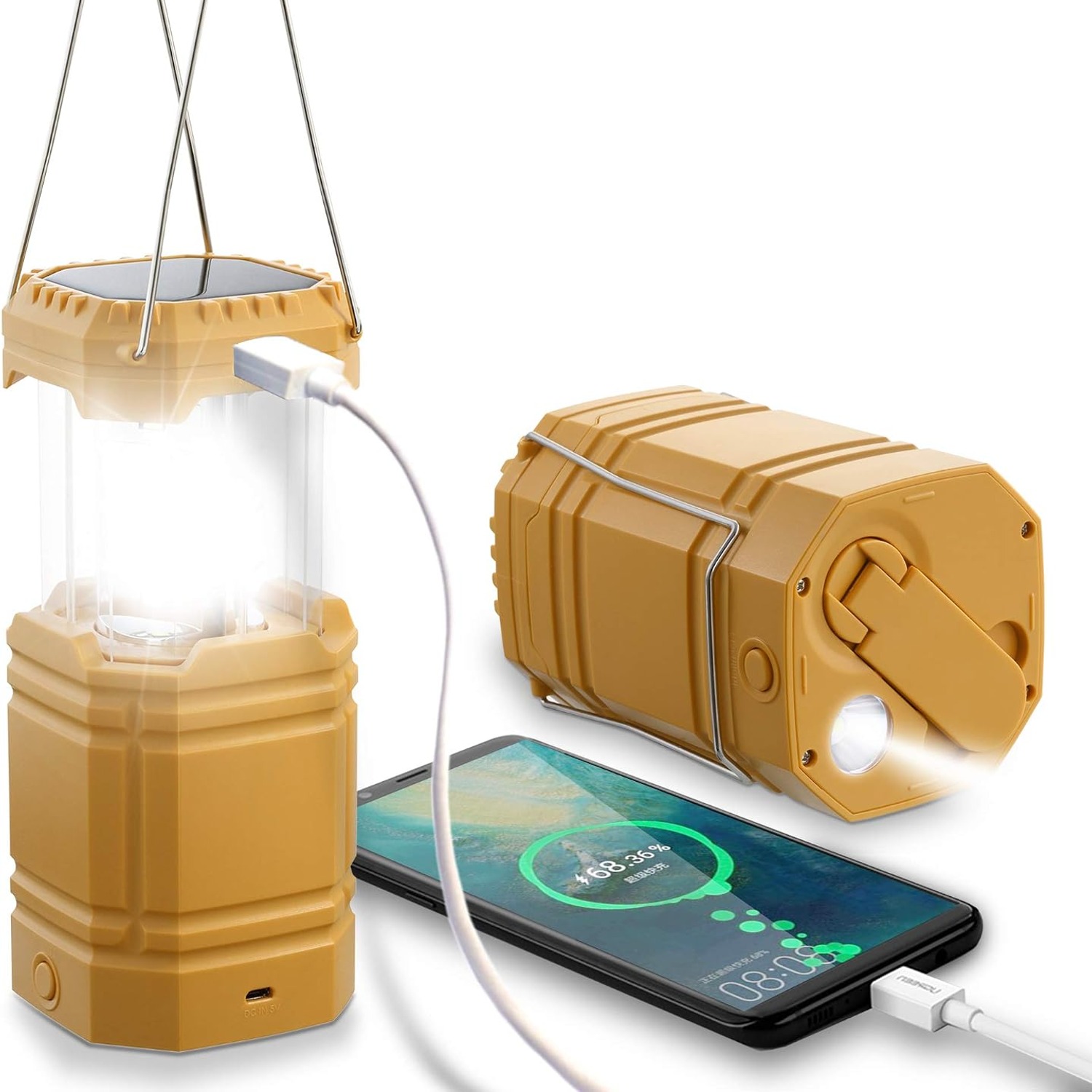
A solar camping lantern with a hand crank solves that by giving you more than one way in. If the battery is low and there is sun, you charge. If there is no sun and no power point, you wind. That redundancy is the entire point, and it is why this style of lantern has become the default for emergency kits as well as campsites.
How this lantern works
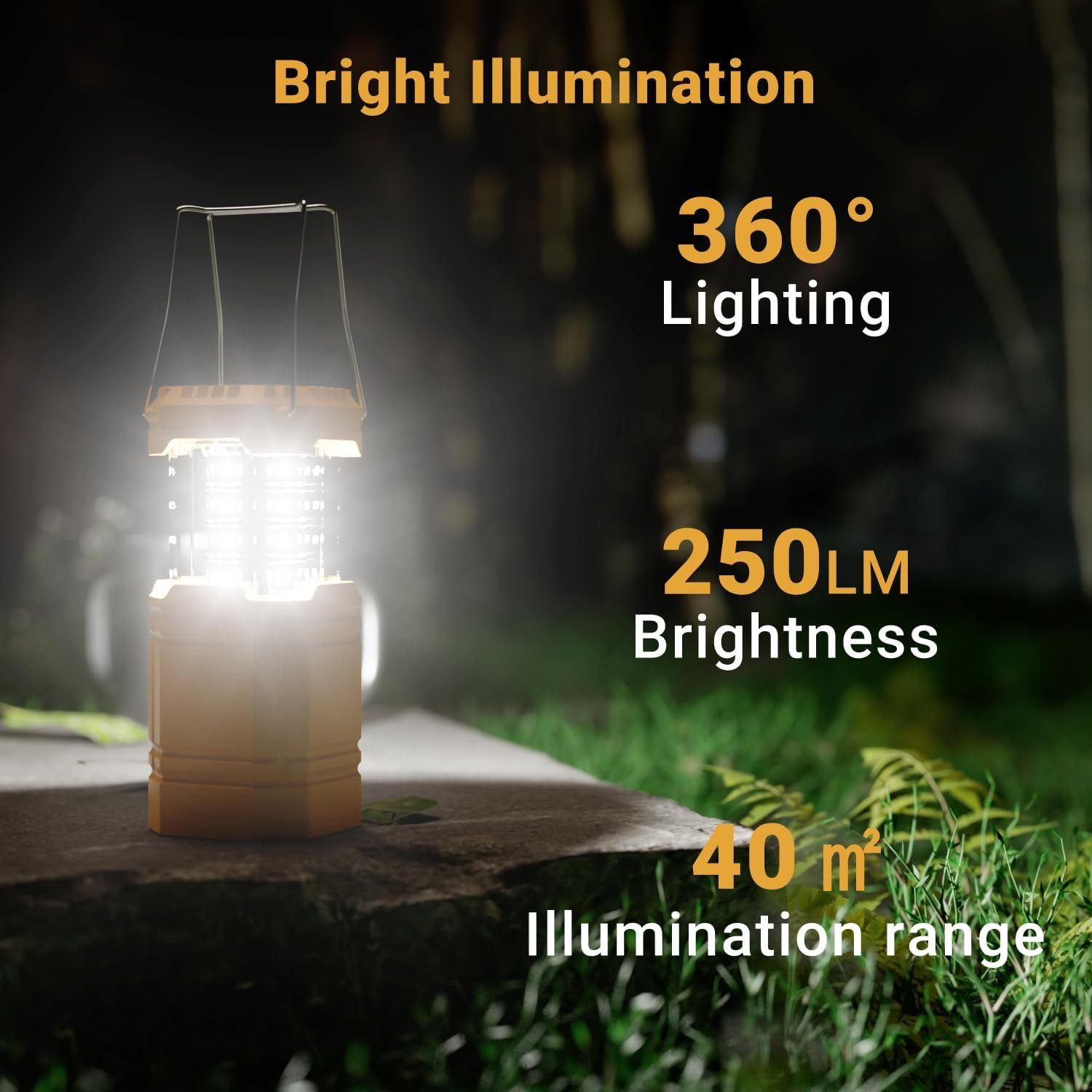
The light comes from 12 LEDs arranged to throw a 360 degree glow, with a maximum output of 200 lumens. That number sounds modest next to a car headlight, but area lighting works differently to a beam. Spread evenly across a tent or a table, 200 lumens is plenty to cook by, sort gear by, or read by without eye strain. A spotlight of the same rating would light one patch and leave the rest black.
There is also an LED torch in the base, which covers the other half of the job. Lantern mode for the space around you, torch mode for the thing you are walking towards. Having both in one unit means fewer items in the bag.
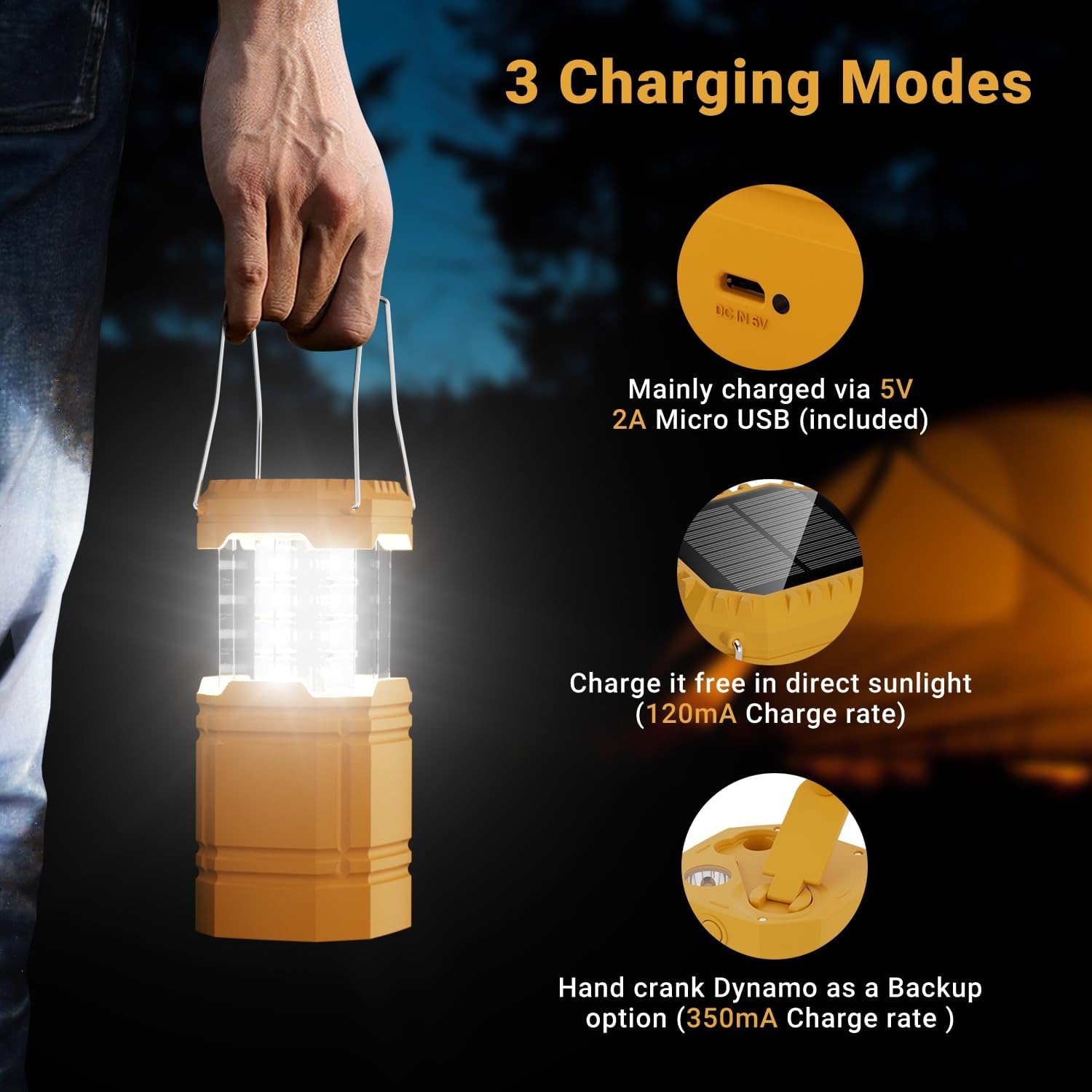
Power comes from a lithium-ion battery that charges three ways. The solar panel is the slow and free option: leave it in the sun and it tops up. The USB cable is the fast and practical option for before you leave the house. The hand crank is the one that never fails, because it only needs your arm. Winding will not fill the battery quickly, and no hand crank light will, but it reliably gets you usable light when everything else is dead. Think of it as insurance, not a primary source.
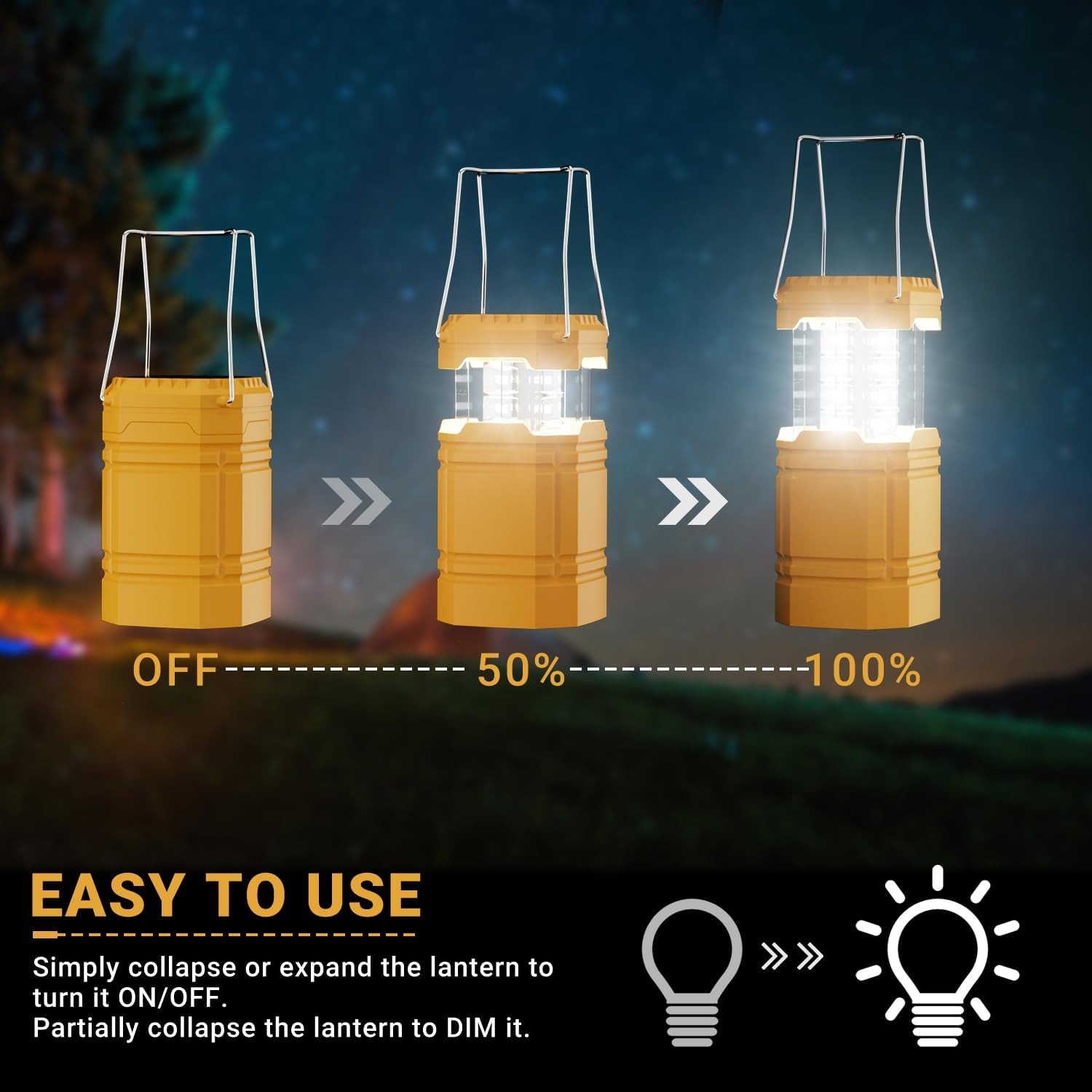
The operation is refreshingly simple. Pull the body up and it lights. Press it down and it goes dark and packs flat. No buttons to find in the dark, nothing to press accidentally inside a packed bag. Small detail, big difference at 2 am.
Who it suits
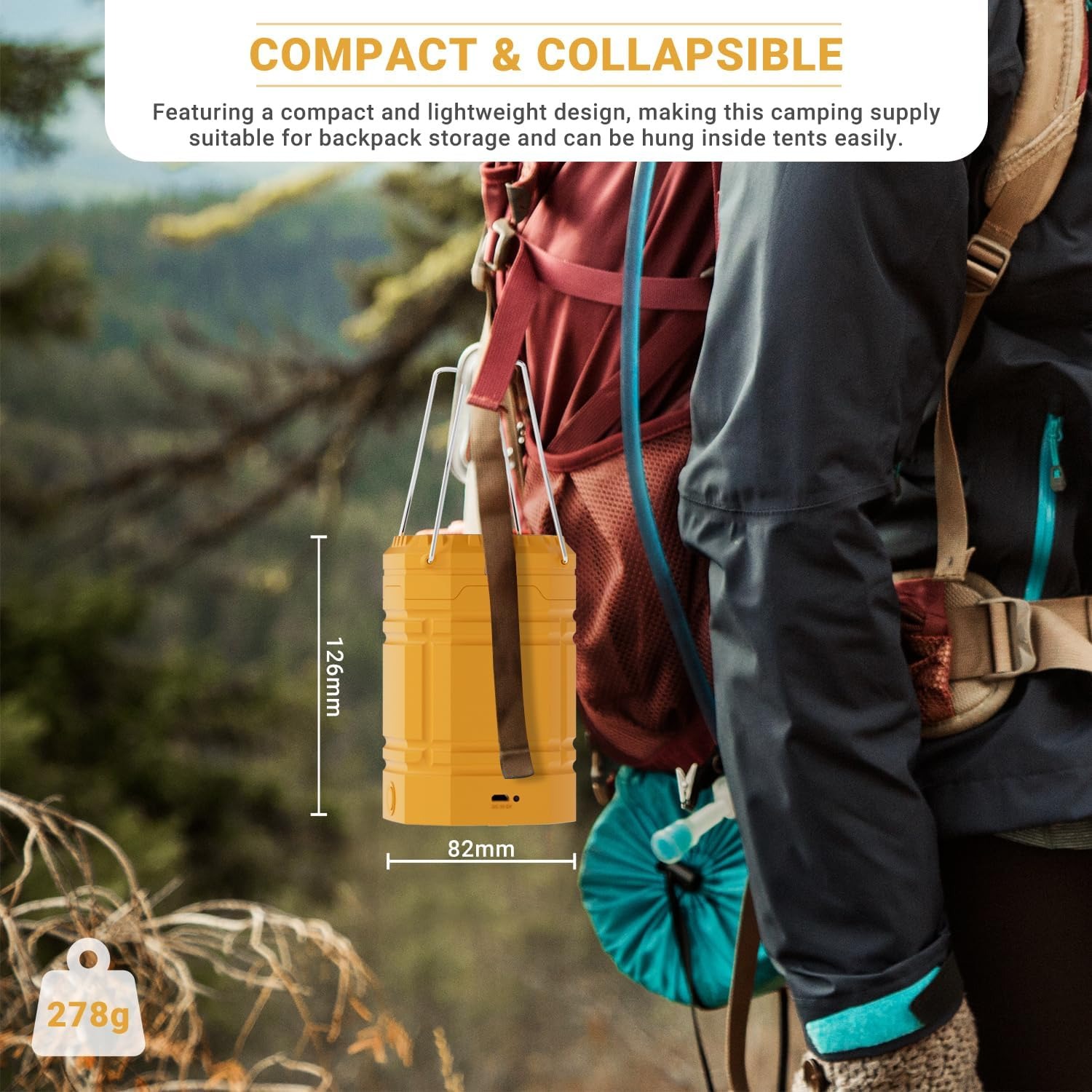
Campers are the obvious group, especially anyone doing car camping or short trips where a light that does several jobs beats carrying three separate items. The 278 g weight means hikers can take it too without much penalty.
It also suits households in storm-prone areas. A good emergency lantern for blackouts needs to be findable, simple and charged, and this one stays charged passively if you leave it near a window. Plenty of people buy one purely for the hall cupboard and never take it bushwalking.
Then there are the in-between uses. Fishers who want light on the bank without a cord. Four wheel drivers who want a light in the back for roadside repairs. Caravanners. Shed owners with no wiring. Anyone who has ever changed a tyre by phone torch will see the point of a lantern with an SOS mode sitting in the boot.
If you need to light a large open area or want something to run continuously for several nights without any charging opportunity, a higher capacity lantern with a bigger battery is a better fit. This one is built around flexibility and portability rather than raw output.
How to choose between lanterns
Start with where the light will sit. If you mostly want light overhead inside a tent, a 360 degree collapsible lantern is the right shape, and hanging it high gives the most even spread. If you want to light a table or a kitchen area, the same lantern works sitting flat.
Next, look at charging. Any light that only charges one way is a single point of failure. A good hand crank lantern should also take USB, because USB is how you will actually charge it most of the time. Solar is a bonus that keeps the battery from dying in storage.
Pay attention to the switch. It sounds trivial, but a light you cannot operate wearing gloves, or that turns itself on in a backpack and arrives flat, is a light that lets you down. The pull-up mechanism here avoids both problems.
Check the weather rating. This lantern is rated waterproof, which is what you want for rain, spray and dew. If you need something you can drop in a creek and retrieve, you are looking for a different category of product altogether.
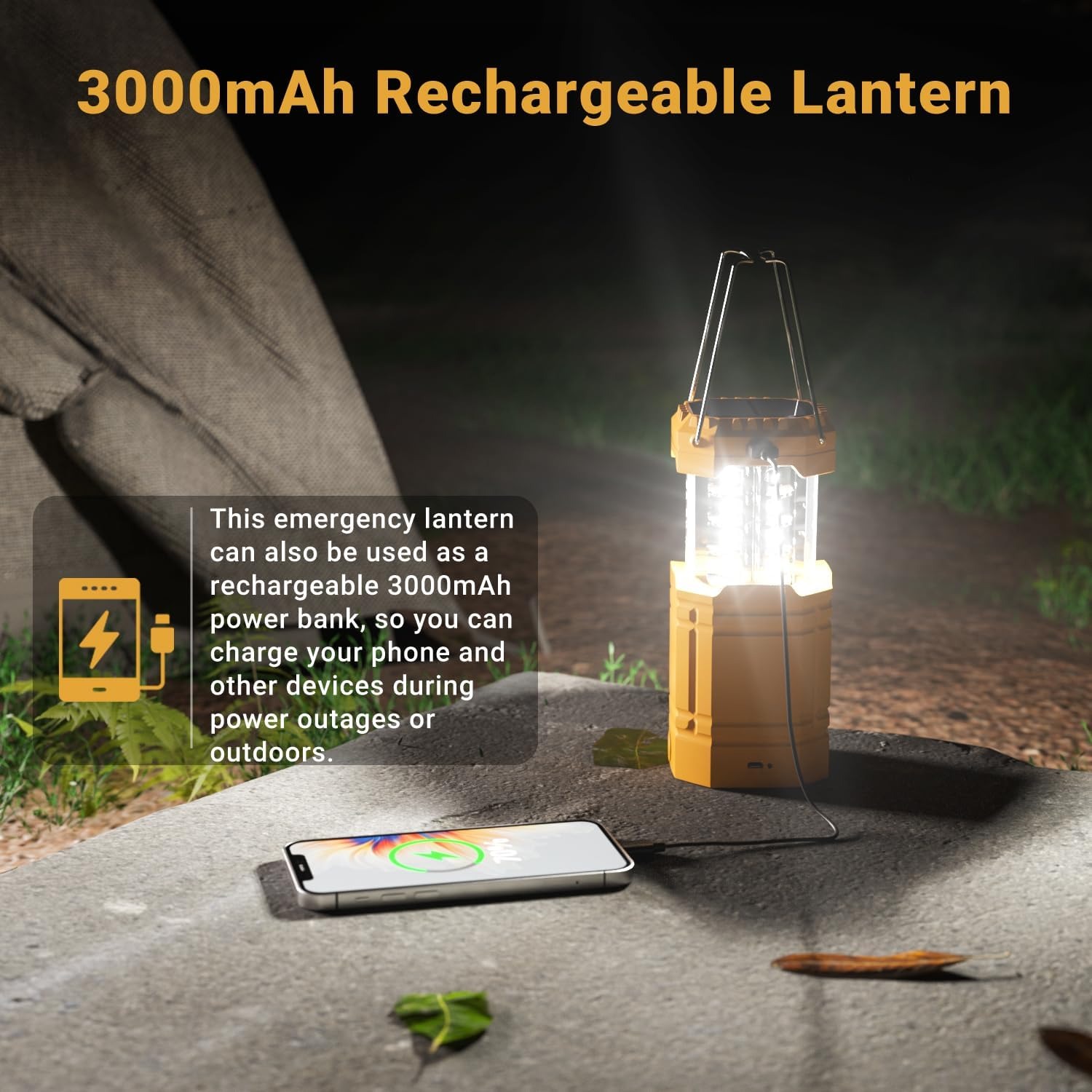
Finally, think about secondary functions honestly. A USB output that charges your phone is genuinely useful in an emergency, and it means one less thing in the bag. But it draws from the same battery that runs your light, so if you empty it charging a phone, you have no lantern. Use it as a top-up, not a plan.
Getting the most out of it
Charge it fully by USB before any trip. Solar and crank are backups, and backups work best when the battery is already mostly full.
Keep the solar panel clean. Dust, salt spray and fingerprints all cut charging efficiency, and a quick wipe with a damp cloth restores it. Point the panel at the sky rather than leaning it against a bag when you leave it to charge.
Run it at lower output where you can. Brightness and runtime trade against each other in every battery light. Most of the time you do not need maximum output, and dropping back stretches your evening considerably.
For storage, keep it somewhere cool and dry, charged rather than flat. Lithium batteries do not enjoy sitting empty for months. If the lantern lives in your emergency kit, set a reminder to top it up a few times a year. A thirty second check every quarter is the difference between a working light and a paperweight.
Care and maintenance
Wipe the housing and panel with a soft damp cloth. Do not use solvents on the plastic, and do not submerge the unit. If it gets rained on, dry it before putting it in a sealed container, because trapped moisture is harder on electronics than the rain was.
Keep the USB port clear of sand and grit. A puff of air or a dry brush does the job. If the hand crank feels stiff after a dusty trip, work it gently rather than forcing it.
The short version
This is a practical, flexible light rather than a specialist one. Twelve LEDs, 200 lumens, 360 degree spread, a torch in the base, SOS mode, and three ways to charge including a crank that works when nothing else does. It is waterproof, it weighs 278 g, and it collapses small enough to live in a glovebox.
If you want one light that handles camping, fishing, roadside trouble and the next blackout without needing a specific cable or a fresh packet of batteries, this covers all of it. Buy two if you have a family tent and a car, keep both charged, and stop thinking about lighting altogether.